
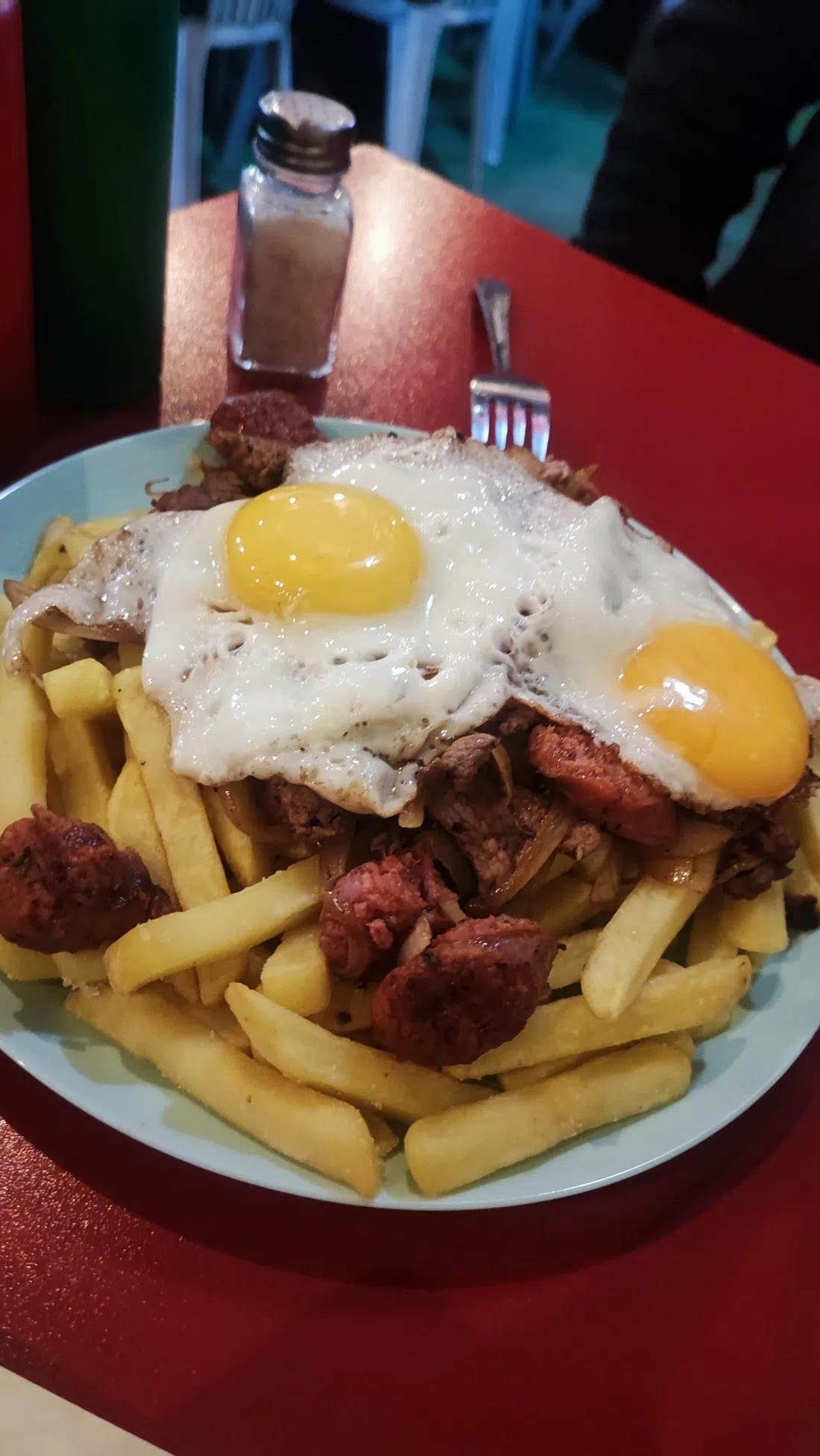
Chorrillana isn't dinner. It's damage control — a sheet pan of fries buried under grilled beef, fried onion and two fried eggs, built to be attacked by four people with forks and zero table manners. Santiago doesn't serve this dish early, and it doesn't serve it politely. It serves it late, after the pisco sours and the terremotos, when a city that works itself half to death needs a kilo of grease standing between it and the walk home. I've eaten this thing standing up, sitting down, and once off a tray balanced on my knees in a doorway on Loreto — the places below are the ones actually worth the queue, and I've queued for every one of them.
Bellavista: Where the Chorrillana Earned Its Reputation
Bellavista is where most visitors meet this dish for the first time, usually by accident, usually after 1am, usually with San Cristóbal's lit-up Virgin watching over the whole mess from the hill.
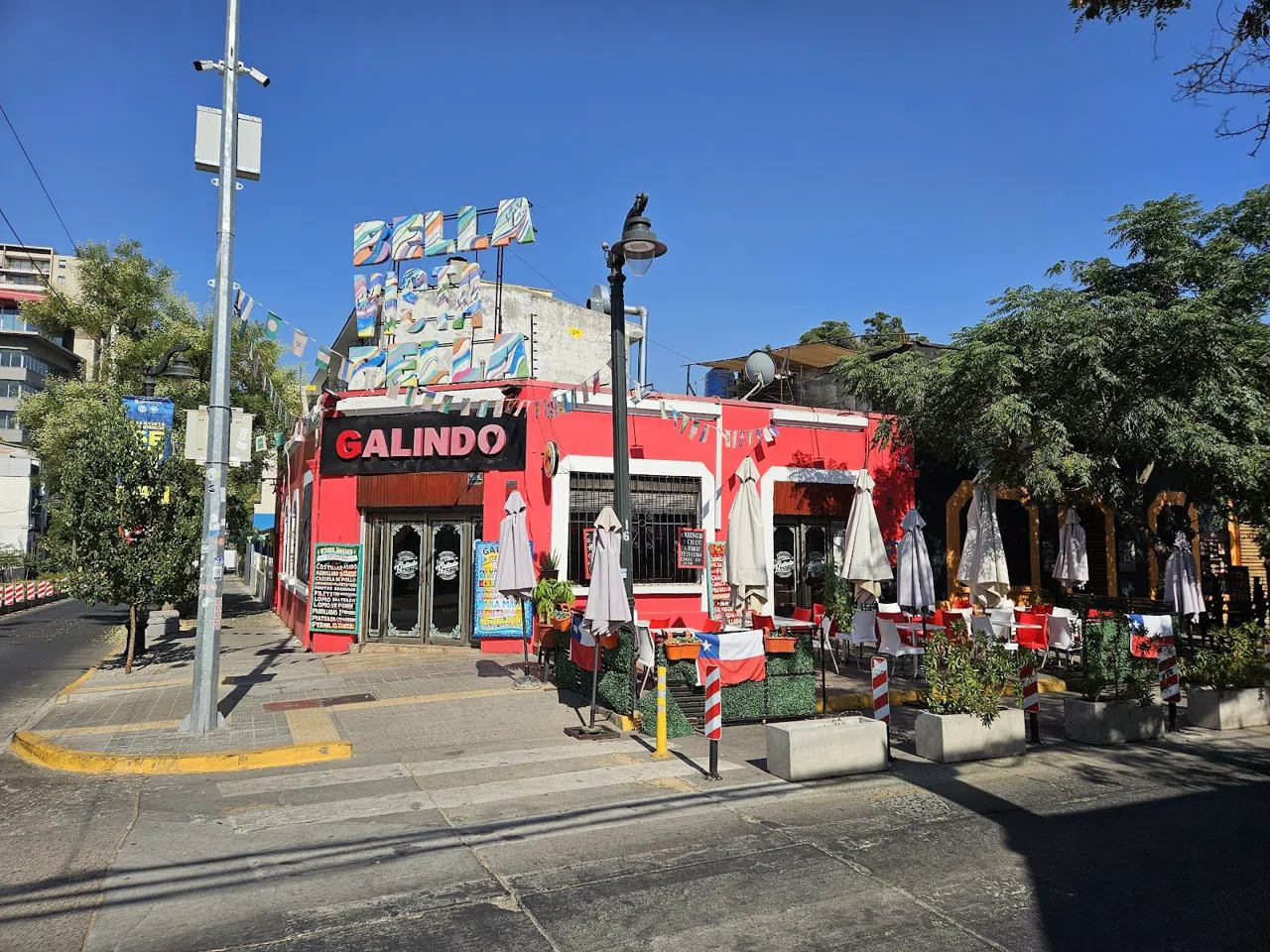
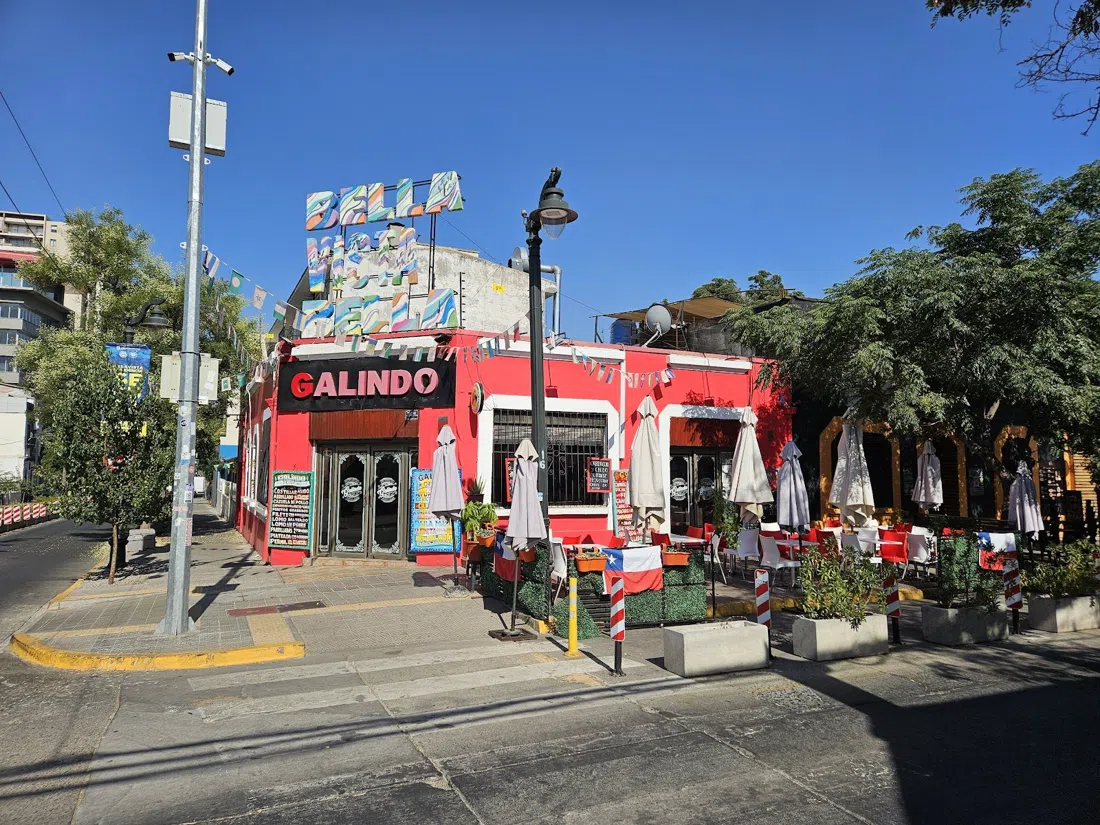
Galindo (Bellavista) is 58 years old and every newer chorrillana joint in this city gets measured against it whether the cooks admit it or not. It's a picada, not a restaurant with pretensions — long communal tables built for a bar-crawl group of eight that just showed up with no reservation and nowhere else to be. A chorrillana to share runs CLP 12,000-18,000, which is cheap for a plate that comfortably feeds three to four. Weekends get loud and full fast; send a WhatsApp ahead if you've got a big group and don't want to stand at the door. This is the benchmark. Start here if you're only doing one.
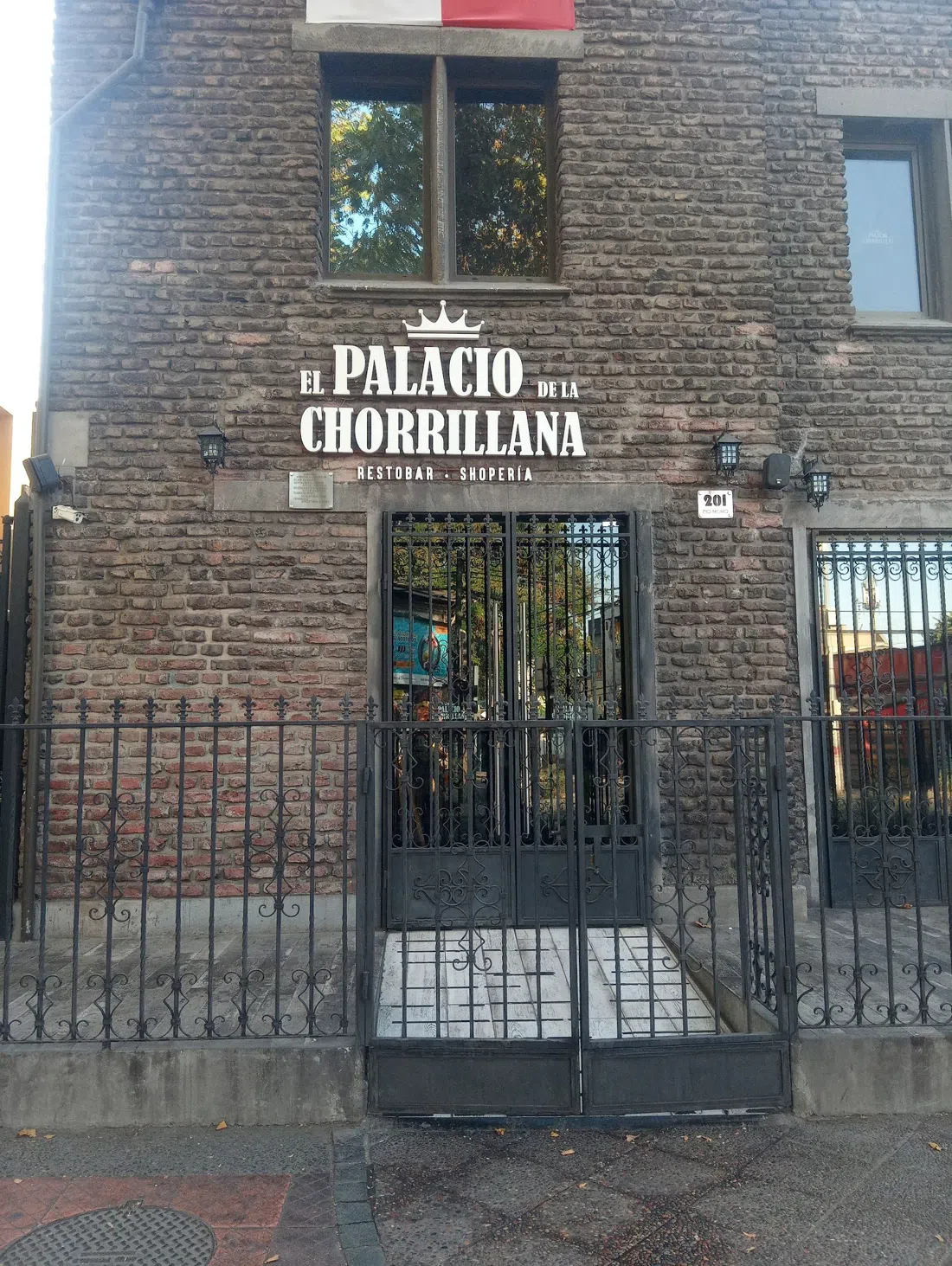
El Palacio de la Chorrillana (Bellavista) doesn't hedge — the menu is built entirely around one dish, and the default order is for the table, not the individual. They run every variant imaginable: chorizo, mechada, longaniza, versions that would horrify a purist and versions that would make one weep. It's $$, loud, and stays loud deep into the Bellavista night. Go here on your second or third pass through the barrio, once you've had the classic at Galindo and want to see what else can be done with the same idea.
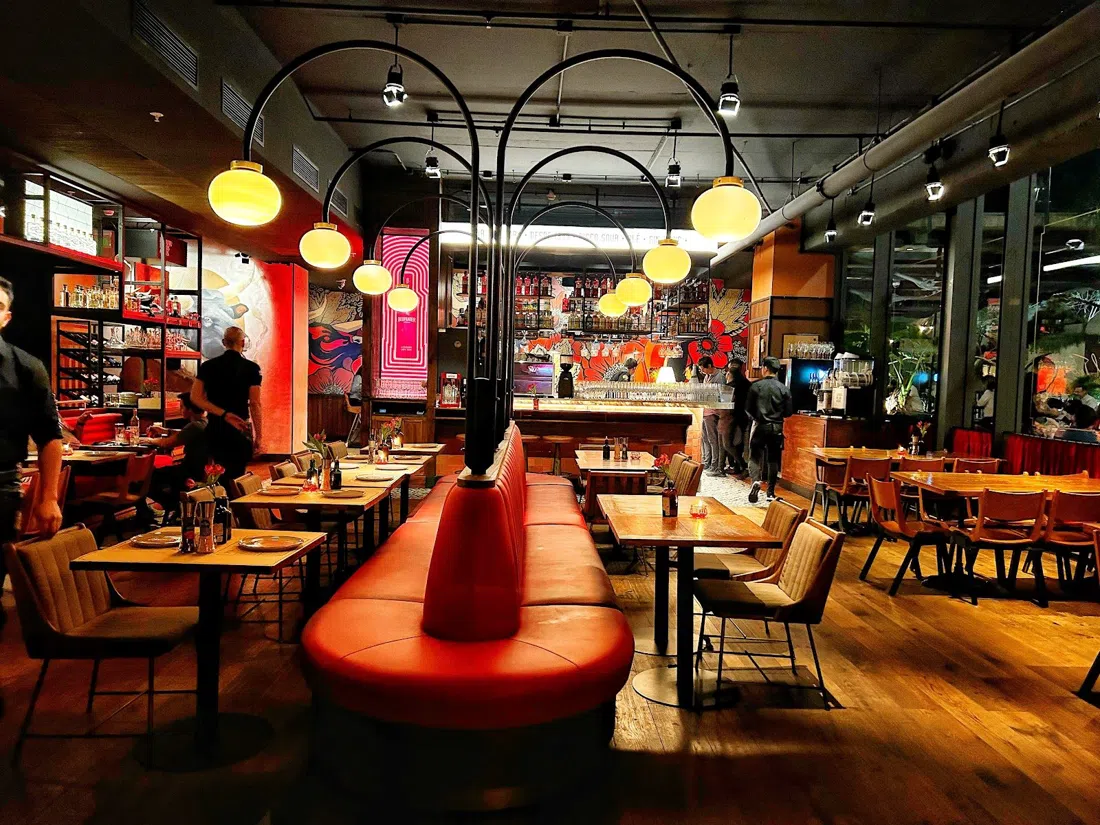
El Toro (Loreto, the strip that broke off Bellavista's main drag) is the wind-down stop. Laid-back seating, no strict door policy, groups absorbed without fuss. It's $$ and it's where you land at 2am when you want a last glass of wine and a smaller plate rather than another full assault on the arteries. Less spectacle than the two above, more of a place to actually sit and talk.
Santiago Centro: The Terremoto-and-Chorrillana Rite of Passage
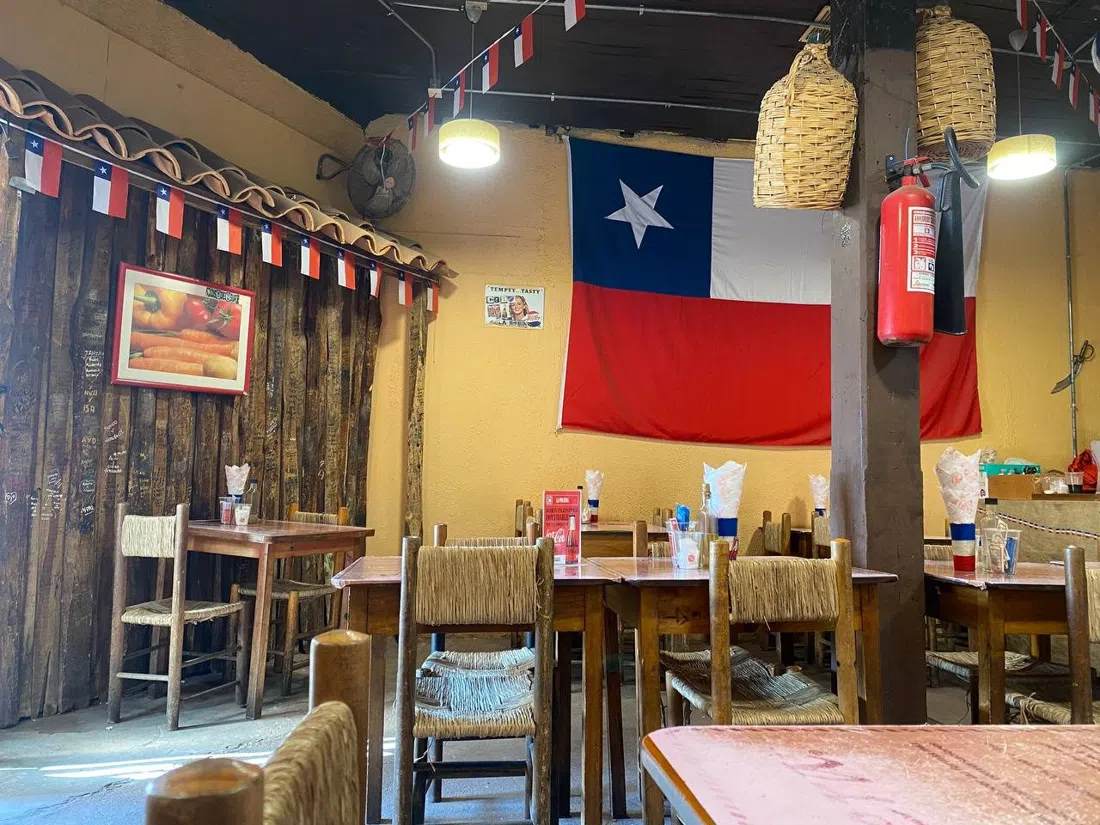
La Piojera (Santiago Centro) is the rowdiest, most authentic stop on this whole trail, and it isn't close. Communal benches, shoulder-to-shoulder, no personal space and no apology for it — you squeeze your group in wherever there's a gap and order for the table, chorrillana and a round of terremotos (the sweet, dangerous wine-and-pineapple-ice-cream drink that put this place on the map decades before anyone photographed a plate of fries for Instagram). It's cash-friendly — bring cash, don't assume the card machine is working or that anyone's rushing to fix it if it isn't — and it runs to midnight. This is the one stop on the list I'd call mandatory rather than optional. Everything else here is a good chorrillana. This is a rite of passage.
Manuel Montt to Plaza Ñuñoa: The Bohemian Backbone
This stretch — Manuel Montt sliding into Barrio Ñuñoa — is where the crawl slows down and gets more bohemian, more local, less aimed at anyone with a guidebook.
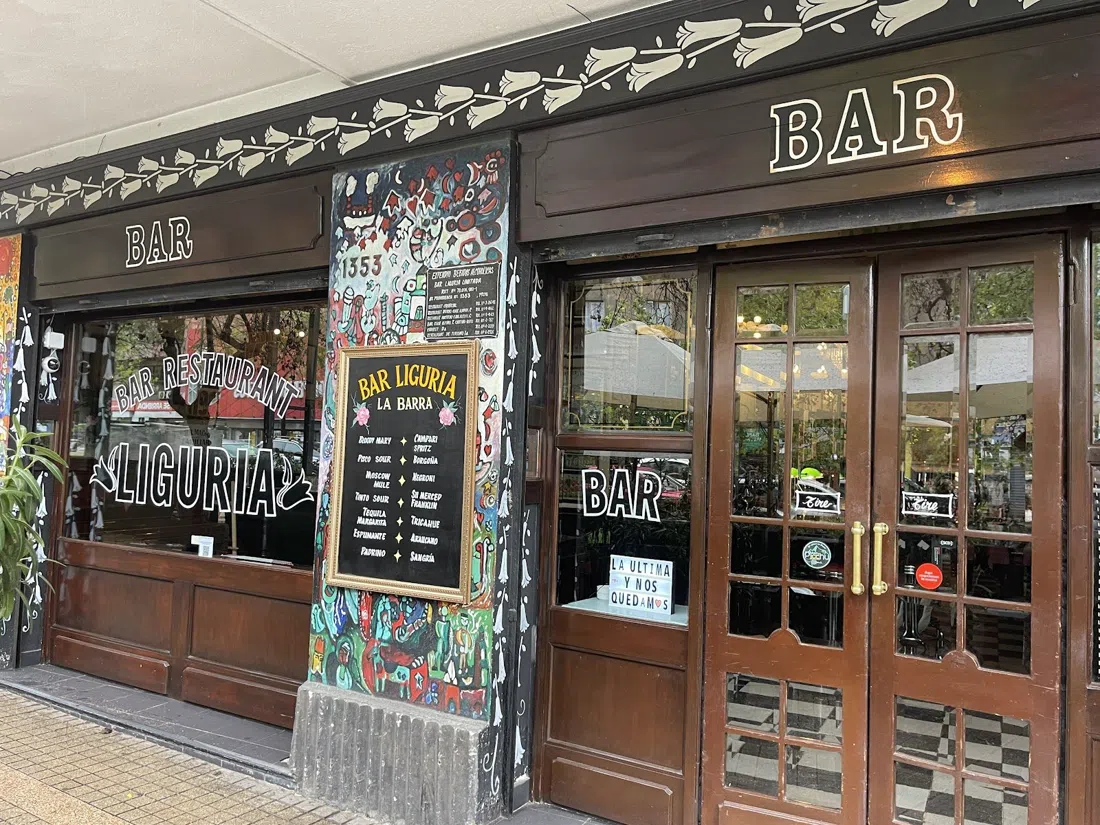
Liguria (Manuel Montt) is Santiago's most photographed bohemian picada, and it earns the reputation honestly rather than through marketing. Loud, group-friendly, no strict door policy — which means a real queue on weekends, so build in twenty minutes of standing around before you get a table. It's $$, open past midnight Thursday through Saturday, and it's a short walk from Ñuñoa's bar strip, which makes it a natural first or last stop depending on which direction you're crawling.
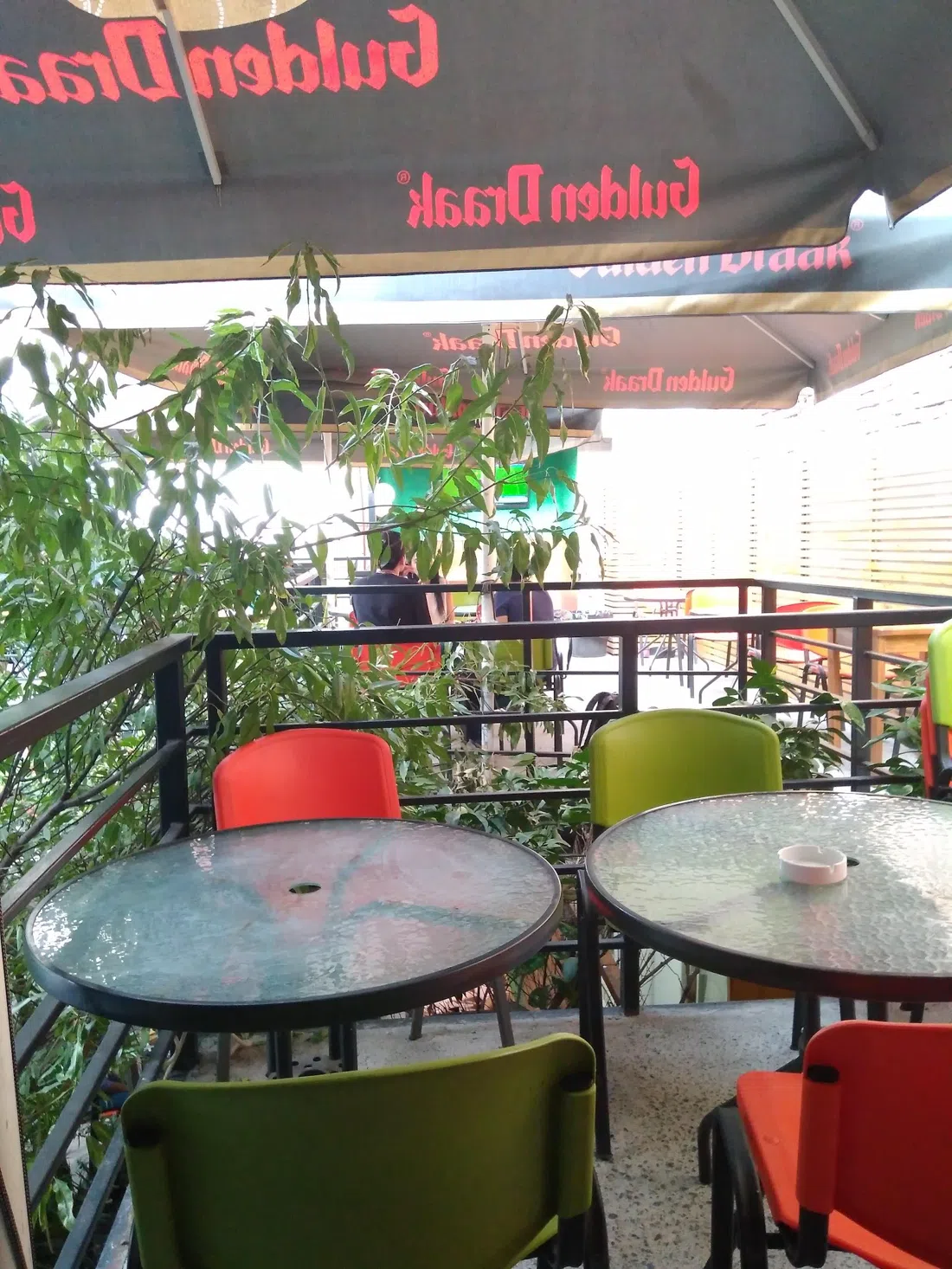
Saint Patrick's Day Irish Pub (Manuel Montt) has run the same trick for fifteen years and it still works: possibly the largest chorrillana in Santiago, backed by a beer list running to 80 options. This place is explicitly built for groups — a chorrillana for four or five people runs CLP 10,000-15,000, which is close to unbeatable value if you've got the numbers to justify ordering one. It's not subtle. It's not trying to be. If your group is six-plus and someone wants beer over pisco, this is the stop.
El Dante — Clásico El Dante — (Barrio Ñuñoa) is the neighborhood's oldest bohemian standby, casual and no-frills, seating that absorbs a group without anyone having to negotiate. It's $ and open to 2:30am, which makes it the fallback everyone in Ñuñoa knows about: when Liguria's queue is too long or Las Lanzas has stopped serving, Dante is still going.
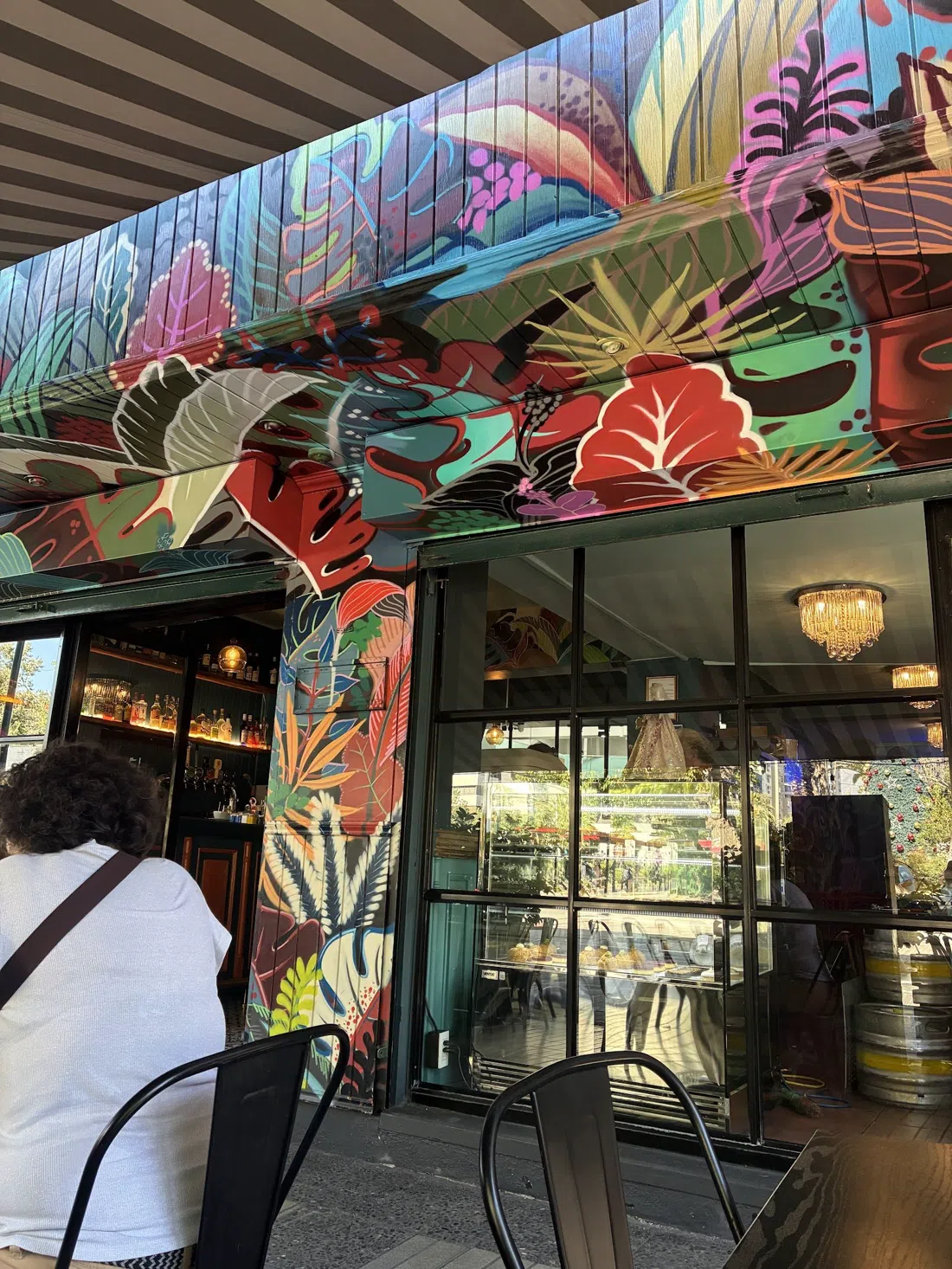
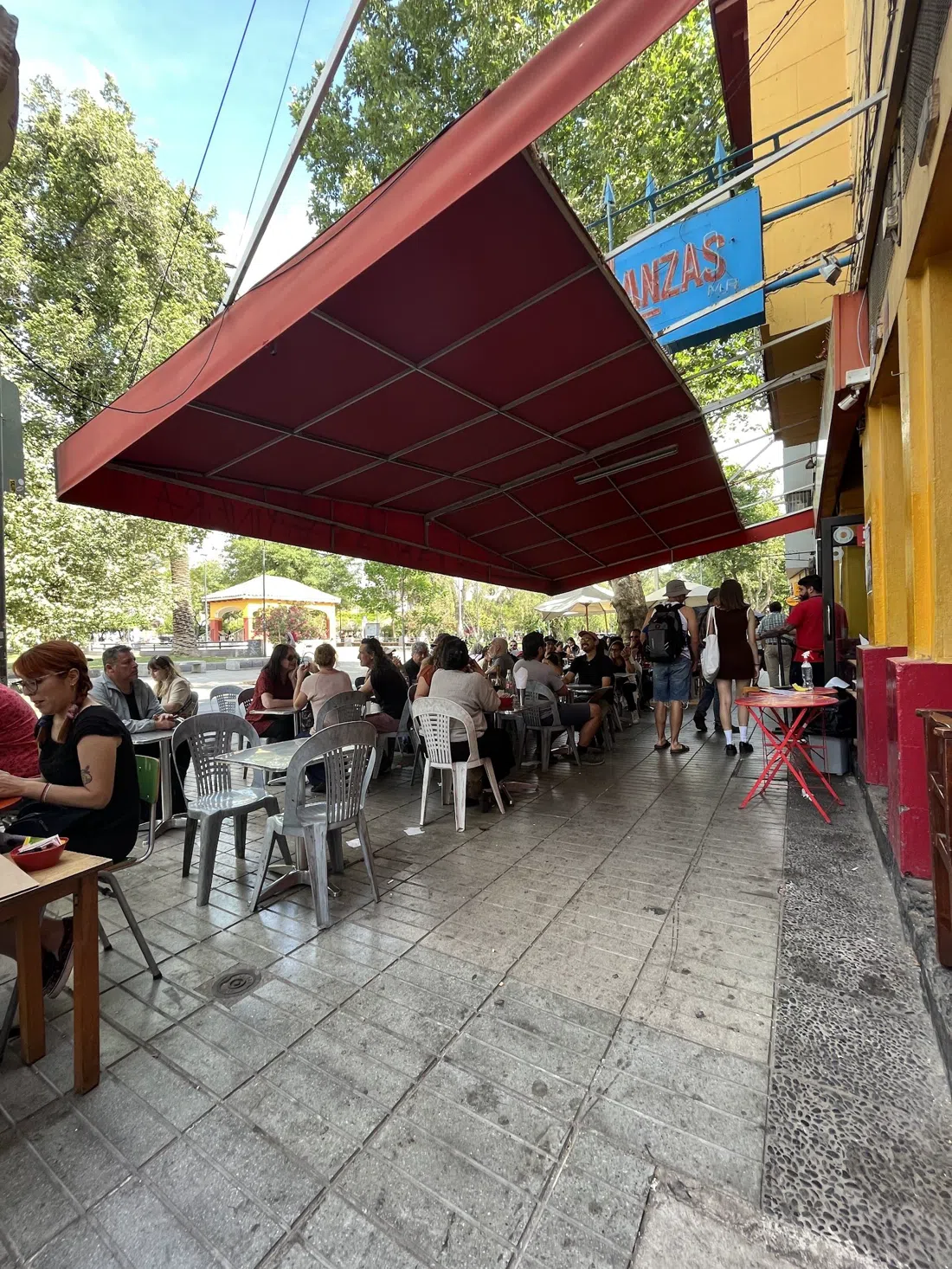
Las Lanzas (Barrio Ñuñoa) is the other required stop alongside El Dante — traditional bar-restaurant seating, comfortably takes groups, $$, and carries the kind of neighborhood credibility that doesn't transfer to a review score. If you're doing a proper Ñuñoa food-trail night rather than just passing through, skip this one at your own risk.
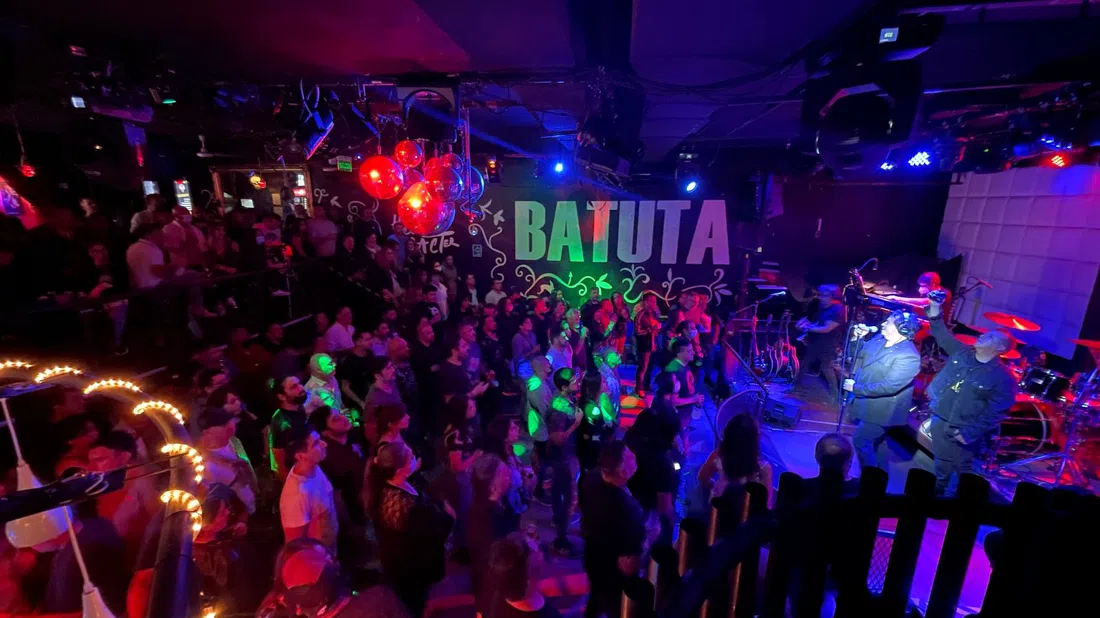
La Batuta (Barrio Ñuñoa) is where the chorrillana crawl stops being about the chorrillana and turns into an actual night out. Standing-room, live music and DJ sets running to 5am on Fridays and Saturdays, $. Groups are the norm here because gigs draw them — go after you've eaten, not before, since this isn't really a sit-down-and-order kind of room.
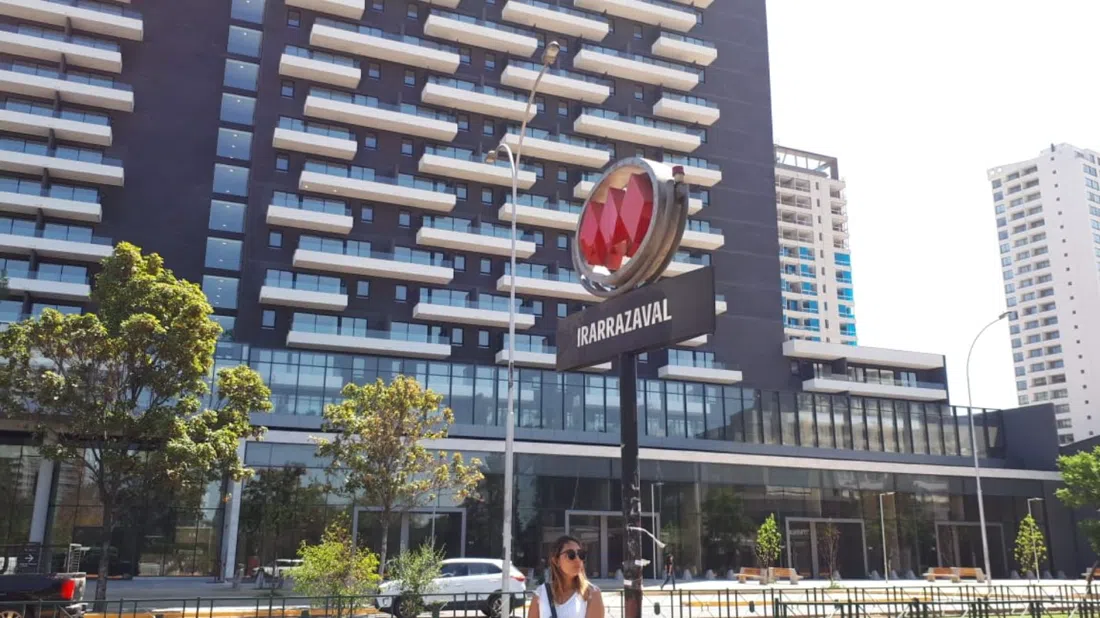
Avenida Irarrázaval: The Neon Strip Where the Crawl Turns Feral
Irarrázaval is the unglamorous, unpolished end of the trail — the strip where the chorrillana stops being photogenic and starts being what it actually is: cheap, fast, loud food for people who are already three drinks in and not thinking about lighting.
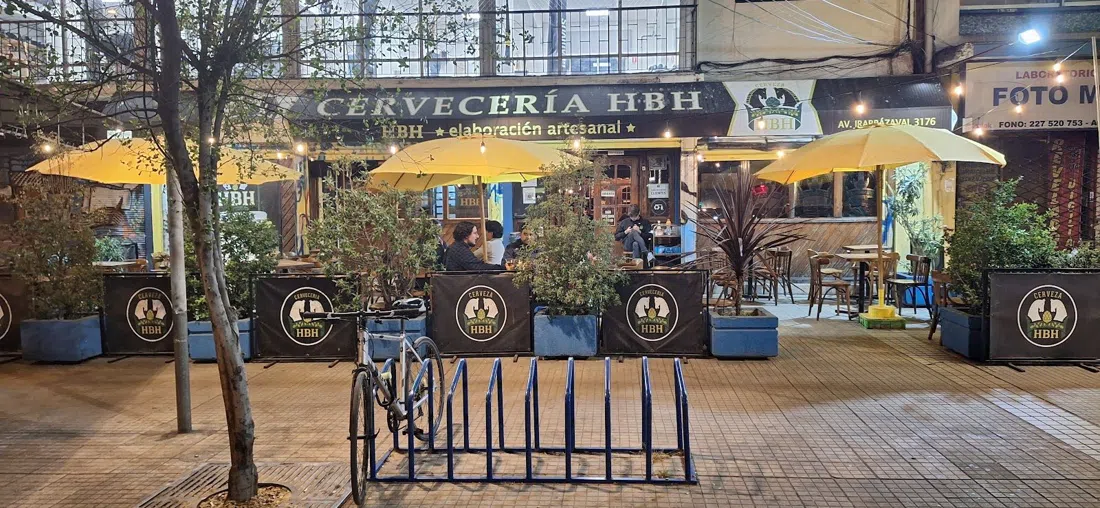
HBH Cervecería (Avenida Irarrázaval, Ñuñoa) is the craft-beer anchor of the strip — big shared tables, easy for groups rolling in straight from Plaza Ñuñoa, $$, open to 2-3am. It pairs its own house lagers with the neighborhood's chorrillana circuit rather than competing with it, which makes it a good midpoint stop rather than a destination on its own.
Medio Kilo (Avenida Irarrázaval, Ñuñoa) is the genuinely gritty pick — a university picada with student-crowd energy, cheap and loud and built for groups. Chorrillanas start around CLP 6,000 on promo nights, which is the cheapest number on this entire list by a wide margin. It's $, it's unpolished, and it's exactly the neon-lit dive this kind of trail is supposed to run through. Don't expect service with a smile. Expect a plate that disappears in four minutes flat.
IrarrazáBar (Avenida Irarrázaval, Ñuñoa) is the looser stop — a games-and-karaoke bar-pool hall layout with room to actually spread out as a group. It's $ and it's less about the food than about breaking up an all-chorrillana crawl with something that isn't a plate of fries. Good pressure-release valve between Medio Kilo and wherever you're headed next.
Building the Night
Don't try to hit all twelve in one crawl — you'll be full, broke, and useless by venue four. The honest way to run this: pick one barrio, not the whole map. A Bellavista night is Galindo, then El Palacio de la Chorrillana, then El Toro to wind down. A Ñuñoa night is Liguria or Saint Patrick's first, El Dante or Las Lanzas mid-evening, La Batuta if you want music after. An Irarrázaval night is cheaper and rougher — Medio Kilo, HBH Cervecería, IrarrazáBar if the group wants games instead of a fourth plate of fries. La Piojera stands alone in Santiago Centro and deserves its own dedicated stop rather than being squeezed into a barrio crawl — go early in the night while you can still appreciate the benches.
Groups versus couples: this is fundamentally group food. A chorrillana built for four is a strange, sad thing split between two people, and most of these plates don't come in a smaller size — you're paying for a mountain either way. Couples are better served picking one stop (Liguria or El Toro both work for a quieter two-top) and treating the rest of the trail as a group activity for another night. Saint Patrick's and Galindo in particular are built around numbers; showing up as two people at either on a Saturday means you're competing for a table meant for six.
If you're planning the trip around this trail rather than squeezing it into one, sort your base first — a Santiago hotel search in Providencia or Ñuñoa puts you walking distance from most of this list, which matters more than it sounds once you're trying to get a taxi at 2am with a full stomach. For everything else in the city beyond the frying pan, the Santiago guide covers the rest of the trip.
Getting Around, Cash, and Timing
Transport. Santiago's metro shuts down around 11pm on weeknights and closer to 12:30-1am on weekends, so most of this trail happens after it's already closed. Budget for taxis or a ride-hailing app between barrios — Bellavista to Ñuñoa is a fifteen-to-twenty-minute ride, not a walk, especially at 1am with a full stomach. Within a single barrio (Plaza Ñuñoa, the Irarrázaval strip, Bellavista itself), everything on this list is walkable.
Cash. La Piojera is the one spot where you genuinely want cash in hand rather than relying on a card machine. Most other venues take cards, but Chilean card readers have their moments — carry some CLP as backup everywhere on this list.
Timing. Doors get real after 11pm and stay busy past 1am at the group-oriented spots — Galindo, Liguria and Saint Patrick's all see weekend queues, so either arrive by 10:30pm before the crowd or accept a wait. La Batuta's live sets don't really get going until midnight and run to 5am Friday-Saturday. El Dante, open to 2:30am, is your latest reliable kitchen if everywhere else has stopped serving.
Budget. A shared chorrillana runs anywhere from CLP 6,000 (Medio Kilo on a promo night) to CLP 18,000 (Galindo, feeding three to four), with most of the list sitting comfortably in the $$-CLP 10,000-15,000 range for a plate built for a group. Add drinks — a round of beers or terremotos per stop — and a full night moving through three venues with four people should run somewhere around CLP 15,000-25,000 per person, more if you're at La Batuta for the music.
Frequently Asked Questions
The basics, answered straight.