The Santiago issue
One Day in Valparaíso, Starting from a Santiago Metro Stop
How to do the coast in a day without losing half of it to transit: one bus, the cliff lifts that are actually running, and a 17:00 museum deadline.

By Rhys CallowayThe city on foot — cerros, barrios and the hours that matter
Valparaíso sits about 120 km west of Santiago, an hour and three quarters on a bus that runs all day, which is why almost everyone makes the trip and why a fair number come back grumbling. It is forty-odd hills stacked over a working container port, painted and tagged and half-repaired, with cliff lifts from the 1900s still hauling people up slopes they would otherwise climb on foot. Done properly the day is one long walk downhill with a good lunch in the middle. Done badly it is three and a half hours on a coach for a photograph of a mural.
Leaving Santiago from the right terminal
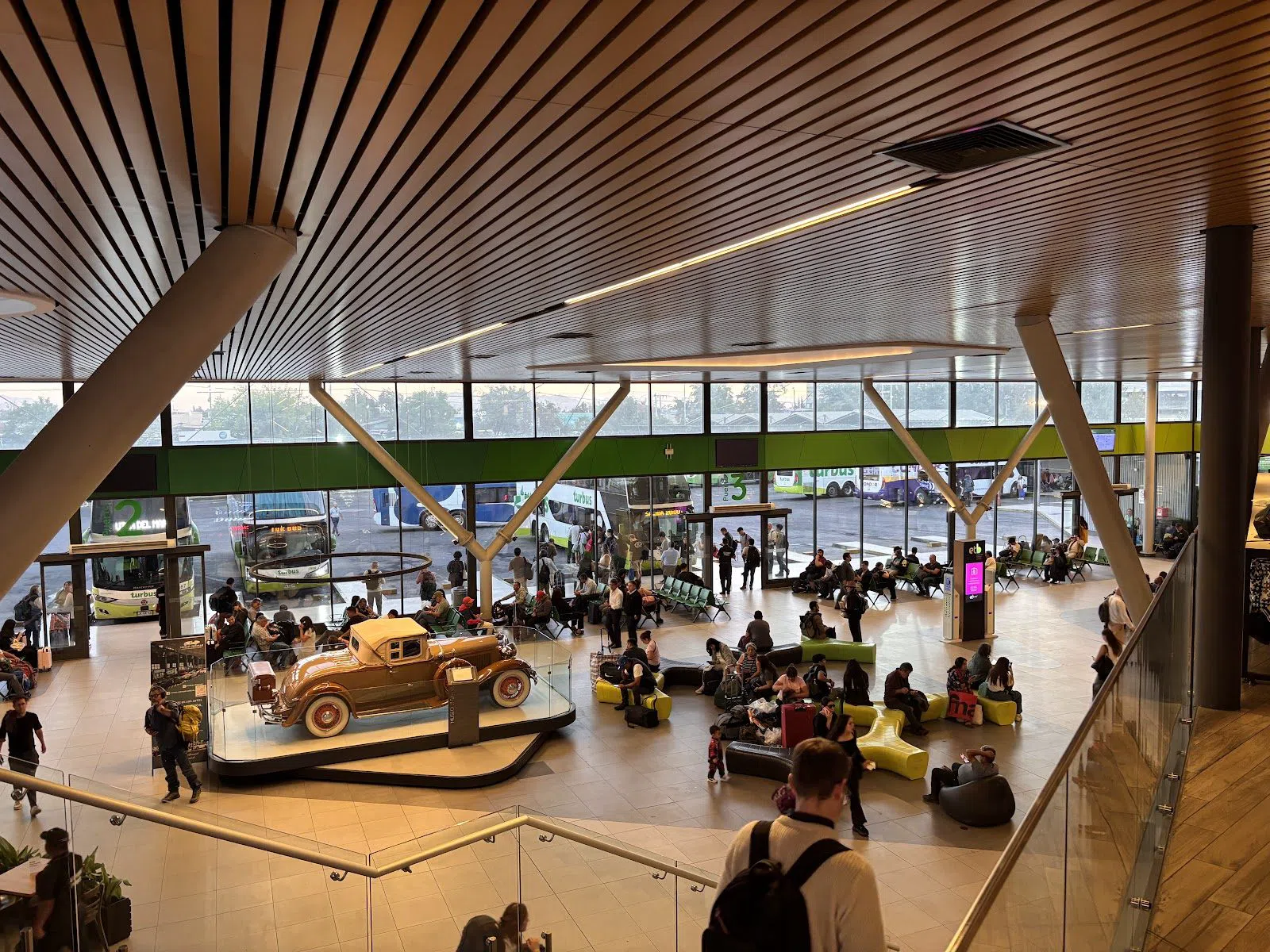
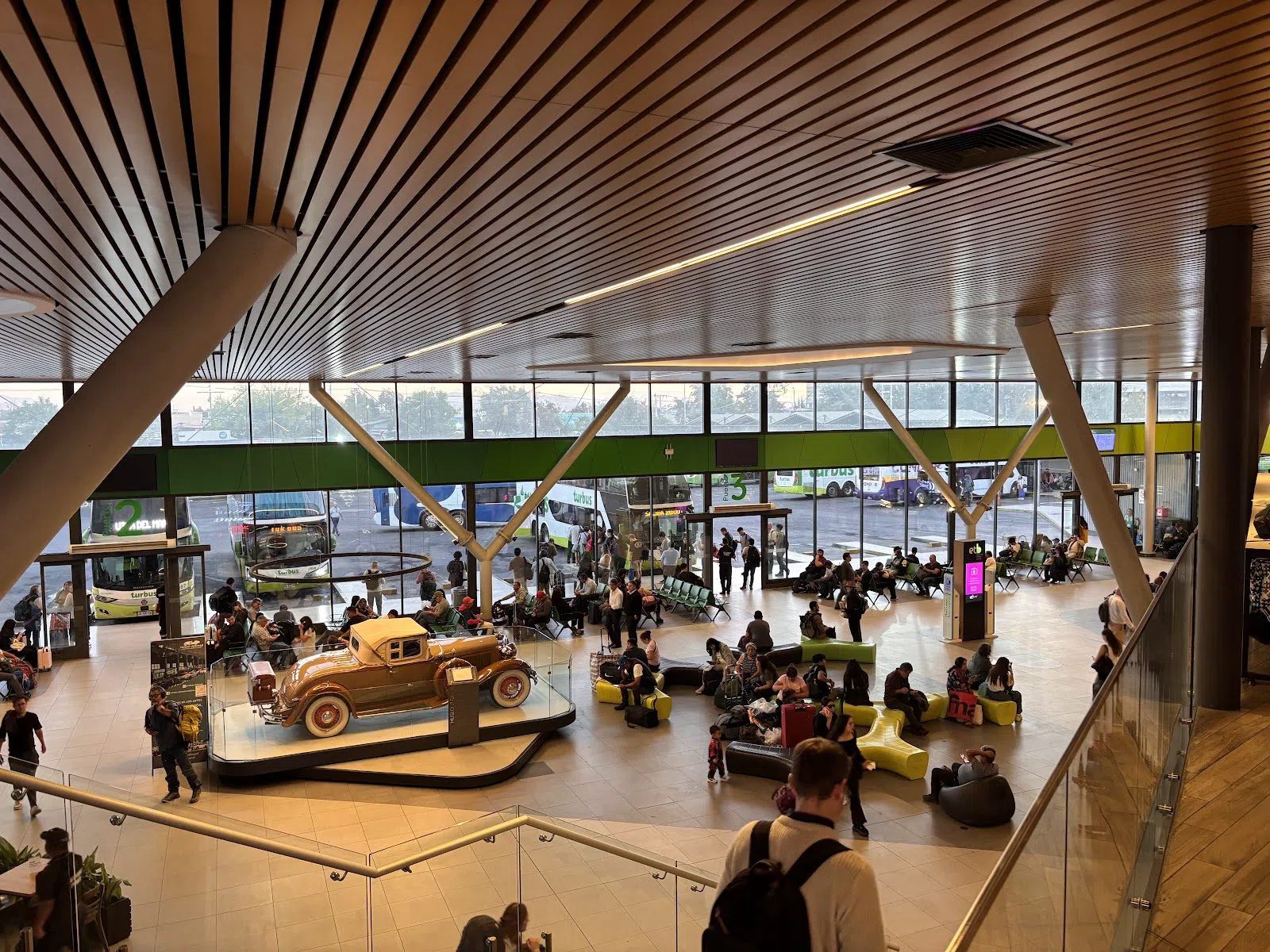
Most of the time wasted on this trip is wasted before you reach the coast. Turbus (Terminal Pajaritos, on Metro Line 1) runs the workhorse service to Valparaíso's Terminal Rodoviario in roughly 1h45, and boarding at Pajaritos rather than Terminal Alameda is the simpler option: it sits on the metro line and the bus leaves westward without dragging you through central Santiago traffic first. Seats are sold individually at the counter, walk-up, at around CLP 5,000 to 9,000 each way depending on the departure. There is no minimum party size and nothing to book in advance, so a party of eight buys eight adjacent seats at the window off-peak and boards together.
Aim to be on a bus by 08:00. That puts you at the Rodoviario before 10:00, when the museums open and before the hills thicken up with people. If you want a guaranteed seat back, buy the return at the counter when you arrive rather than joining the queue at seven in the evening with everybody else.
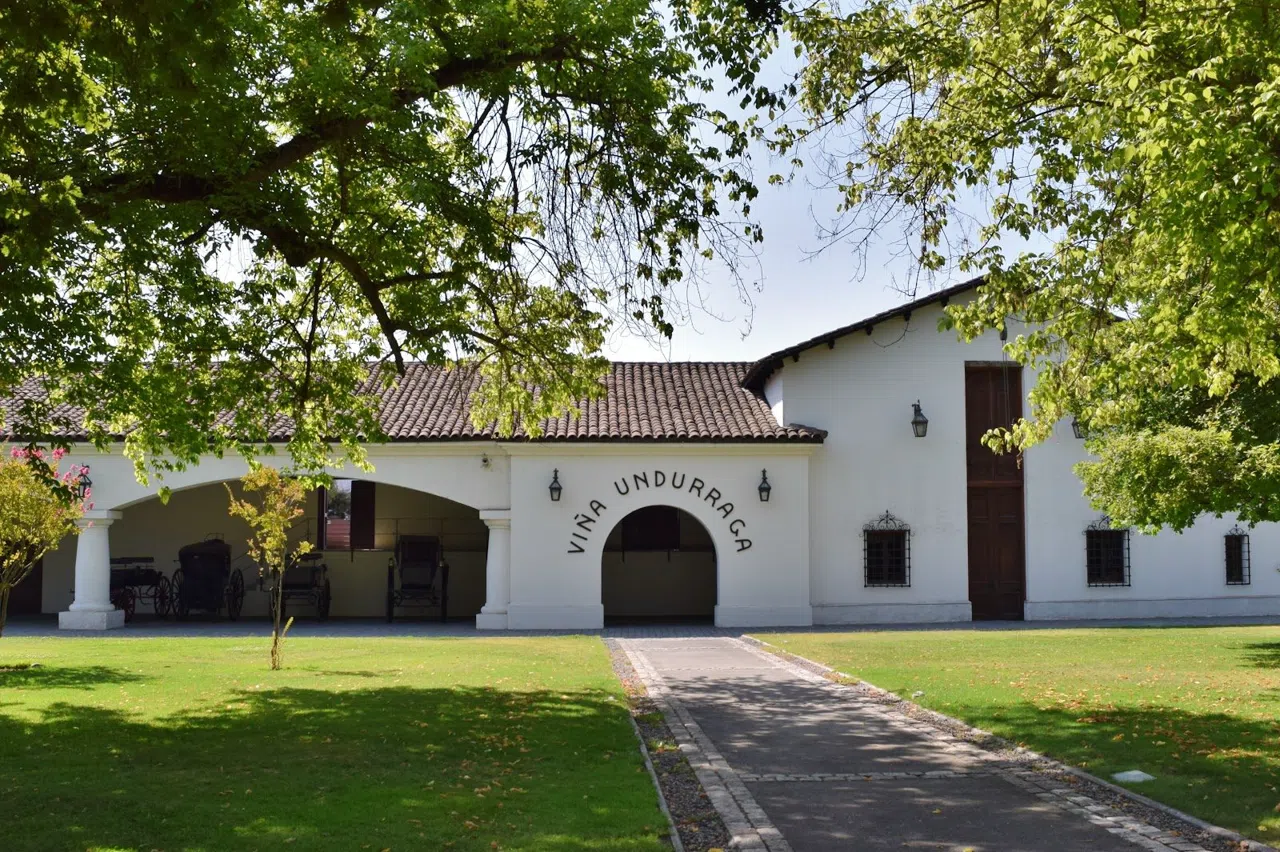
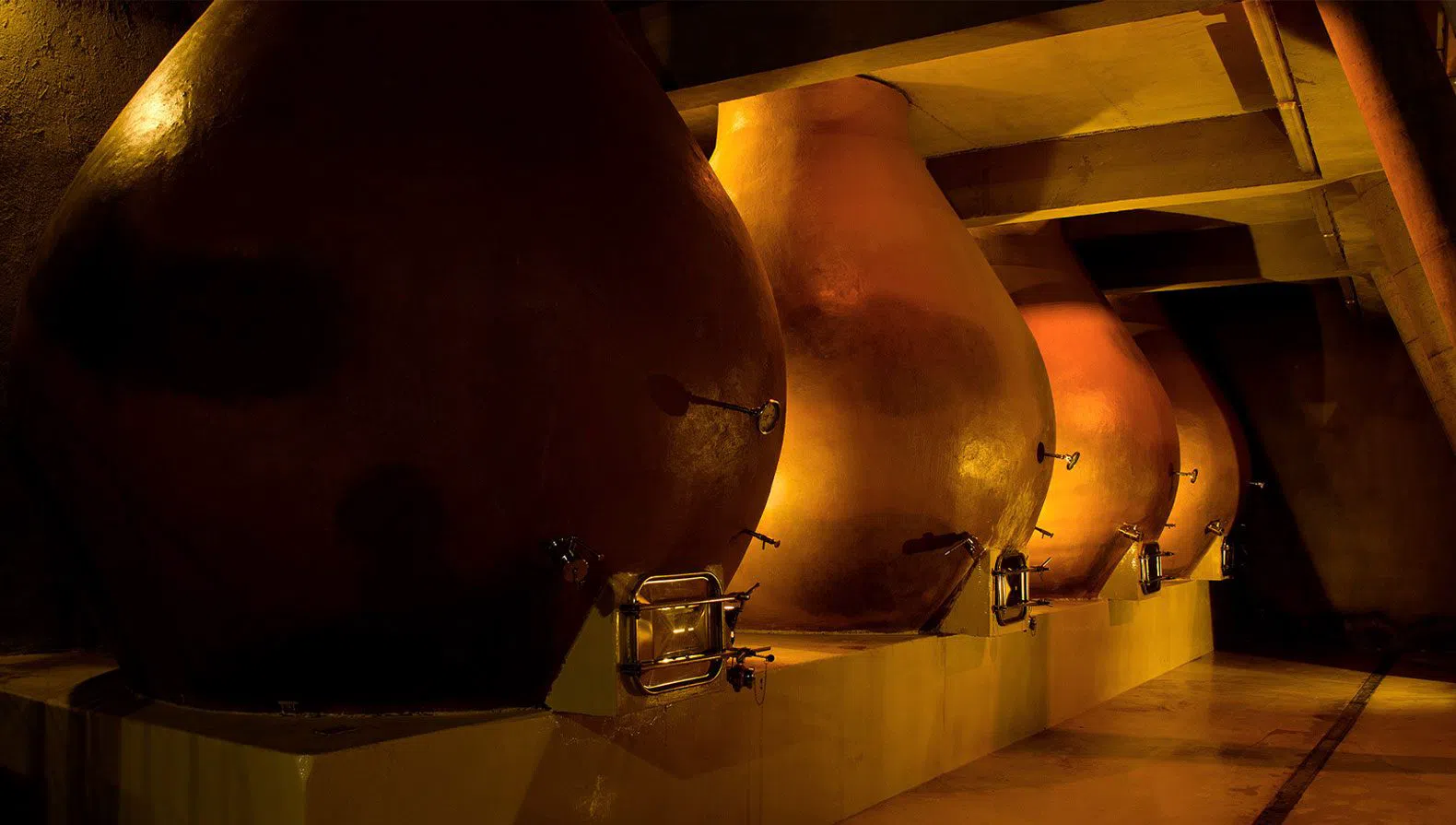
The one detour that improves the drive is Bodegas RE (Casablanca Valley, directly on the Santiago-Valparaíso road), which ferments in clay tinajas rather than steel and runs a small-group tour with four tastings for around CLP 30,000. It opens daily 10:00 to 18:00 and you will be turned away at the gate without a booking; larger parties have to arrange the visit in writing beforehand. The trade is obvious: the bus does not stop there, so the detour means a hire car or a driver, and somebody in the party is not drinking.
Plan your Santiago trip
Live prices from our booking partners.
Free cancellation on many rooms. We may earn a commission when you book.
The first two hours off the bus
The hills are not laid out on a grid and they are not uniformly relaxed. Some stairways are lined with cafés and some are not the place to stand still with a phone in your hand, and the boundary between the two is not obvious from a map. Tours4Tips (Plaza Aníbal Pinto, downtown) is the cheapest way to get that geography into your head: no reservation for individuals, turn up five to ten minutes early at the plaza, budget CLP 10,000 to 15,000 per person as the tip. Large groups are asked to book ahead. Two hours in, you will know which climbs are worth doing on foot and which streets to walk through rather than linger on, which is the knowledge a first-timer is missing on arrival.
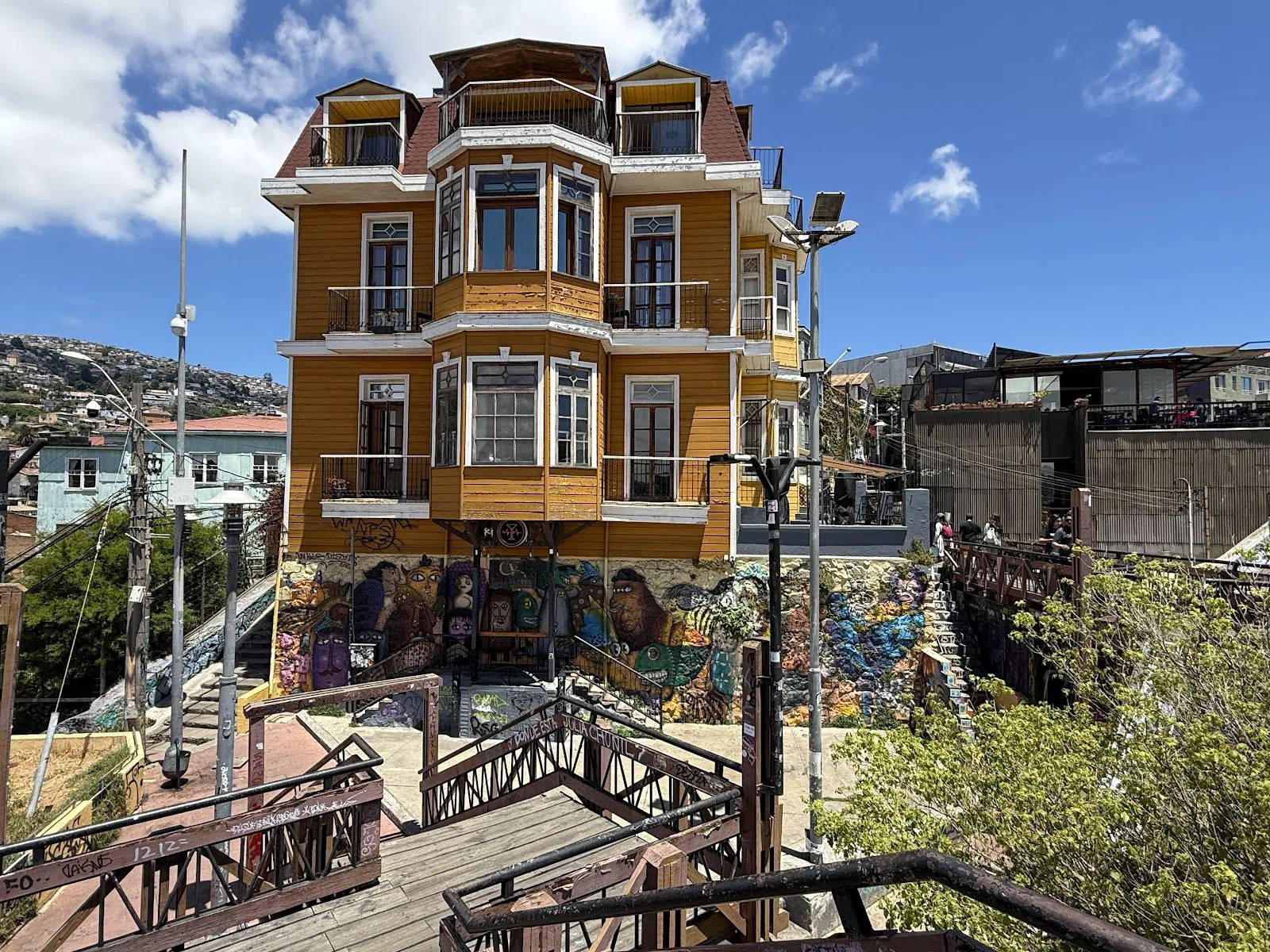
From the flat downtown the easiest way up into Cerro Alegre is Ascensor Reina Victoria (Cerro Alegre), one of the seven ascensores confirmed running in 2026. It is public transport, so there is nothing to book and it costs a few hundred pesos a ride. The car holds only a handful of people, so a group of ten rides in shifts and reassembles at the top. Watch your pockets in the queue: the lift stations are a known spot for opportunist theft, and it happens at the turnstile rather than up on the hill.
The murals and the people who paint them
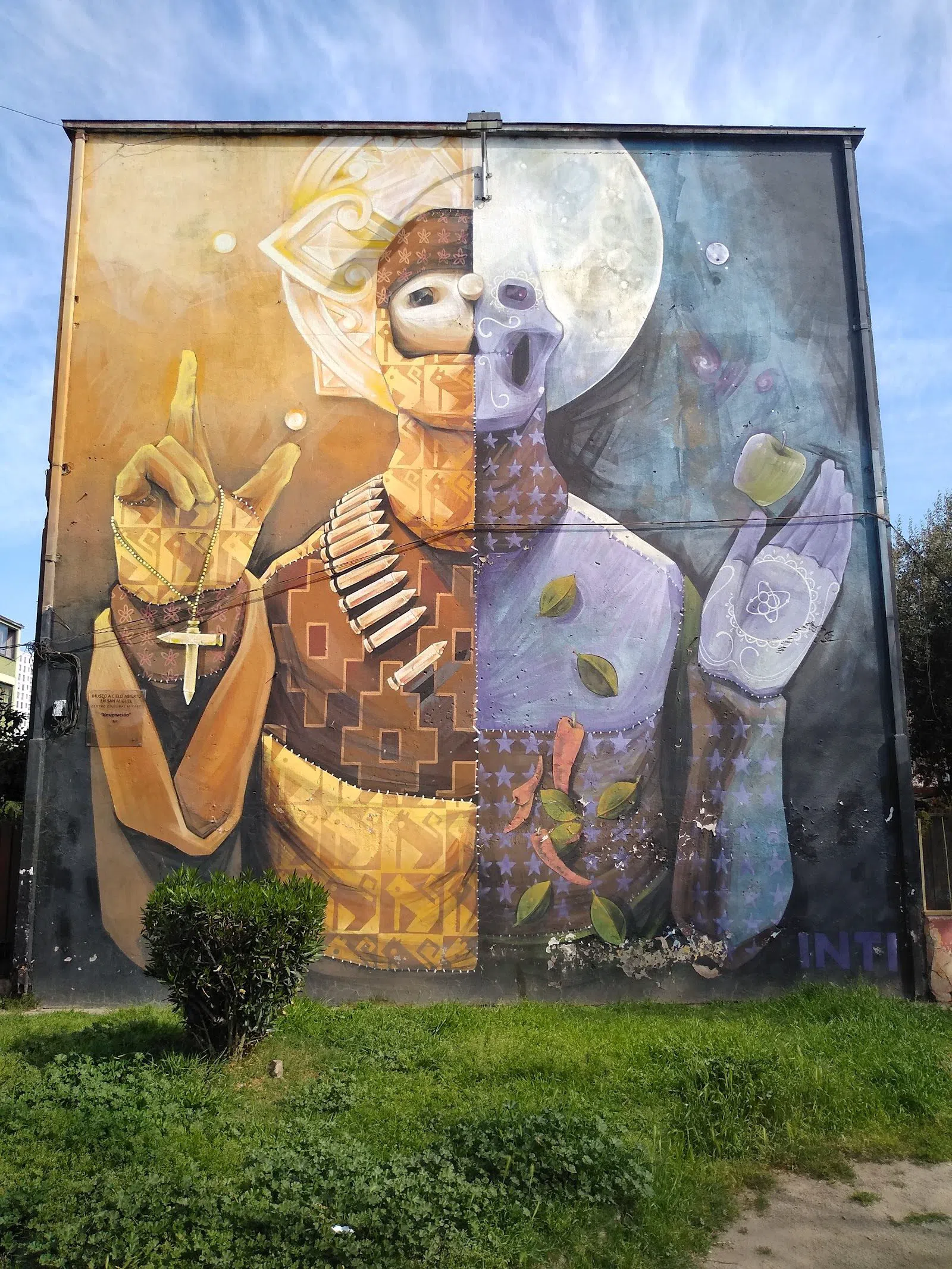
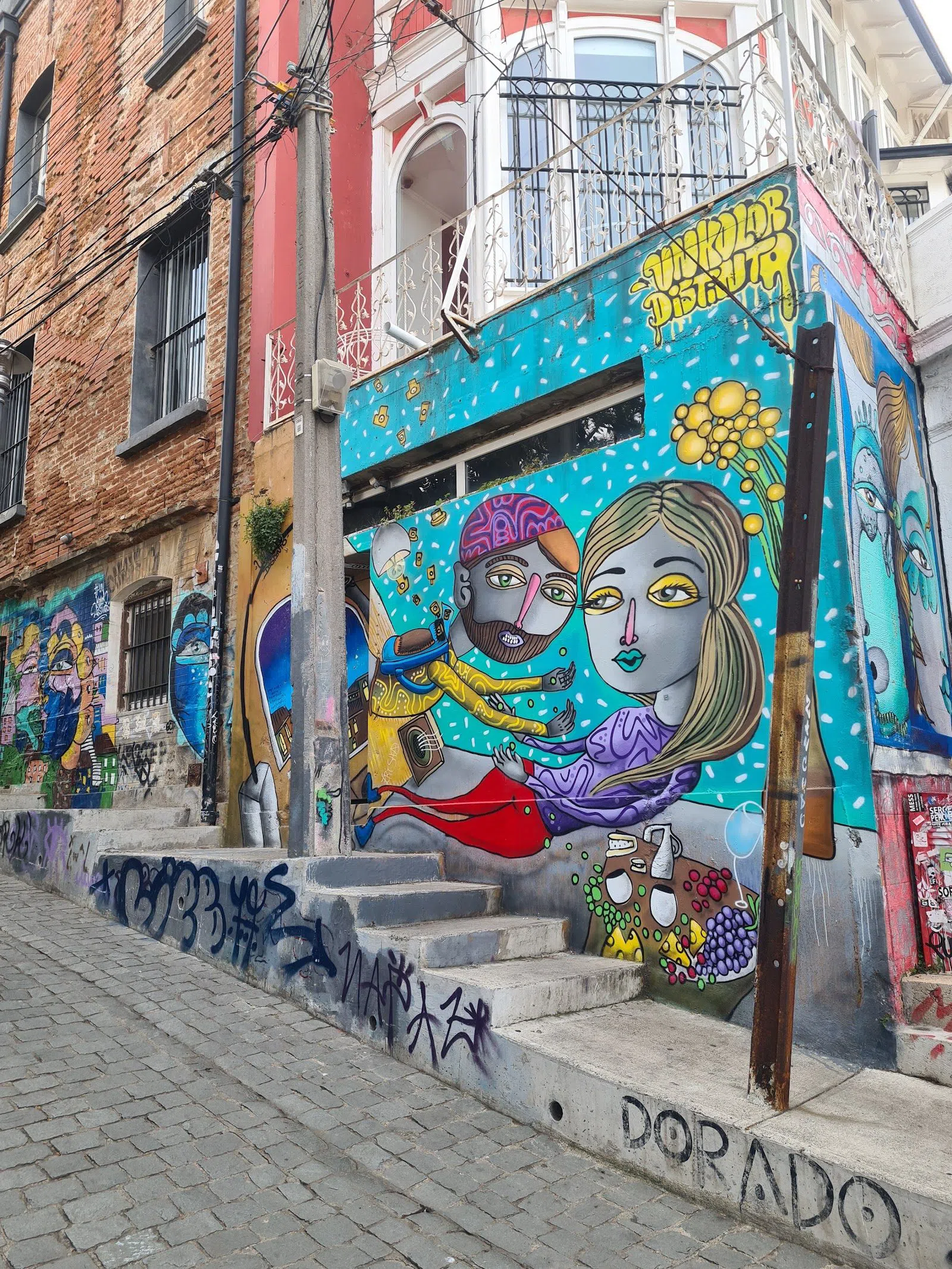
Museo a Cielo Abierto (Cerro Bellavista) is twenty murals from 1992 laid out along the stairways on the climb up towards Neruda's house, free, ungated and open to any number of people at any hour. It costs nothing but the ascent. Several panels are faded, some are tagged over, and restoration has been piecemeal rather than systematic. Treat it as a route rather than a gallery and it holds up fine.
If street art is the actual reason you came, Valpo Street Art Tours (Cerro Alegre and Cerro Concepción) is the one tour on this list worth paying for. Guides include working painters, so you get technique, materials and the politics between crews (who paints where, what gets covered and why) rather than a circuit of photo stops. Guided tours run roughly USD 35 to 55 per person; private and group bookings are taken direct with reduced per-head rates that scale with the size of the party, and there is a free tip-based option if the budget is tight.

Two collections worth the ticket
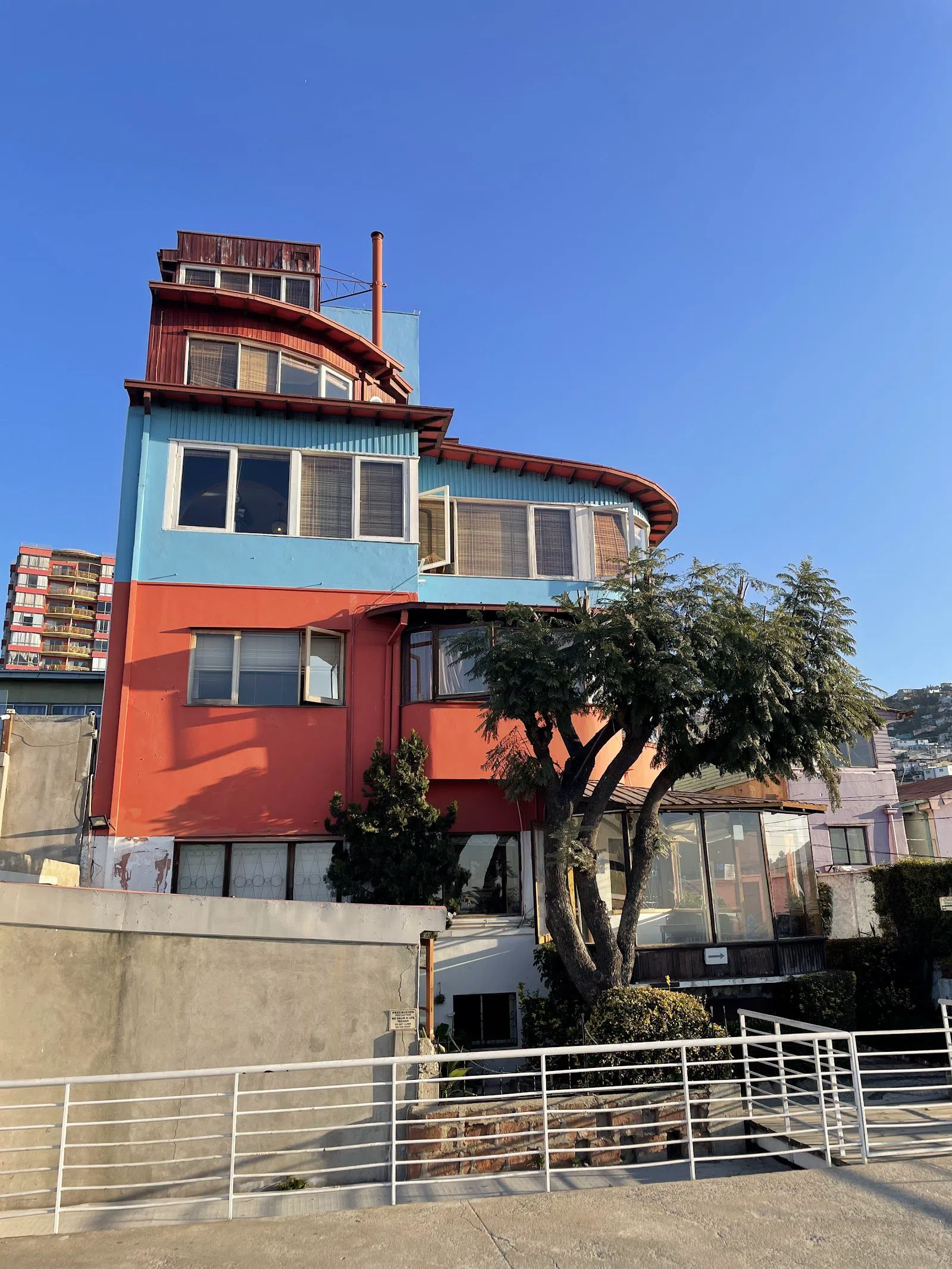
La Sebastiana (Cerro Bellavista) is Neruda's vertical port house, five floors of collected junk and very deliberate windows, open Tuesday to Sunday 10:00 to 18:00 with last admission at 17:00 and adult entry around CLP 9,000 to 10,000. No reservation is needed for individuals. The free audio guide is genuinely good, which is not a sentence I write often. The stairwells are tight, so a large group should split and stagger its entry rather than arrive as one block. It shuts Mondays, which ruins a lot of Monday day trips before they start.
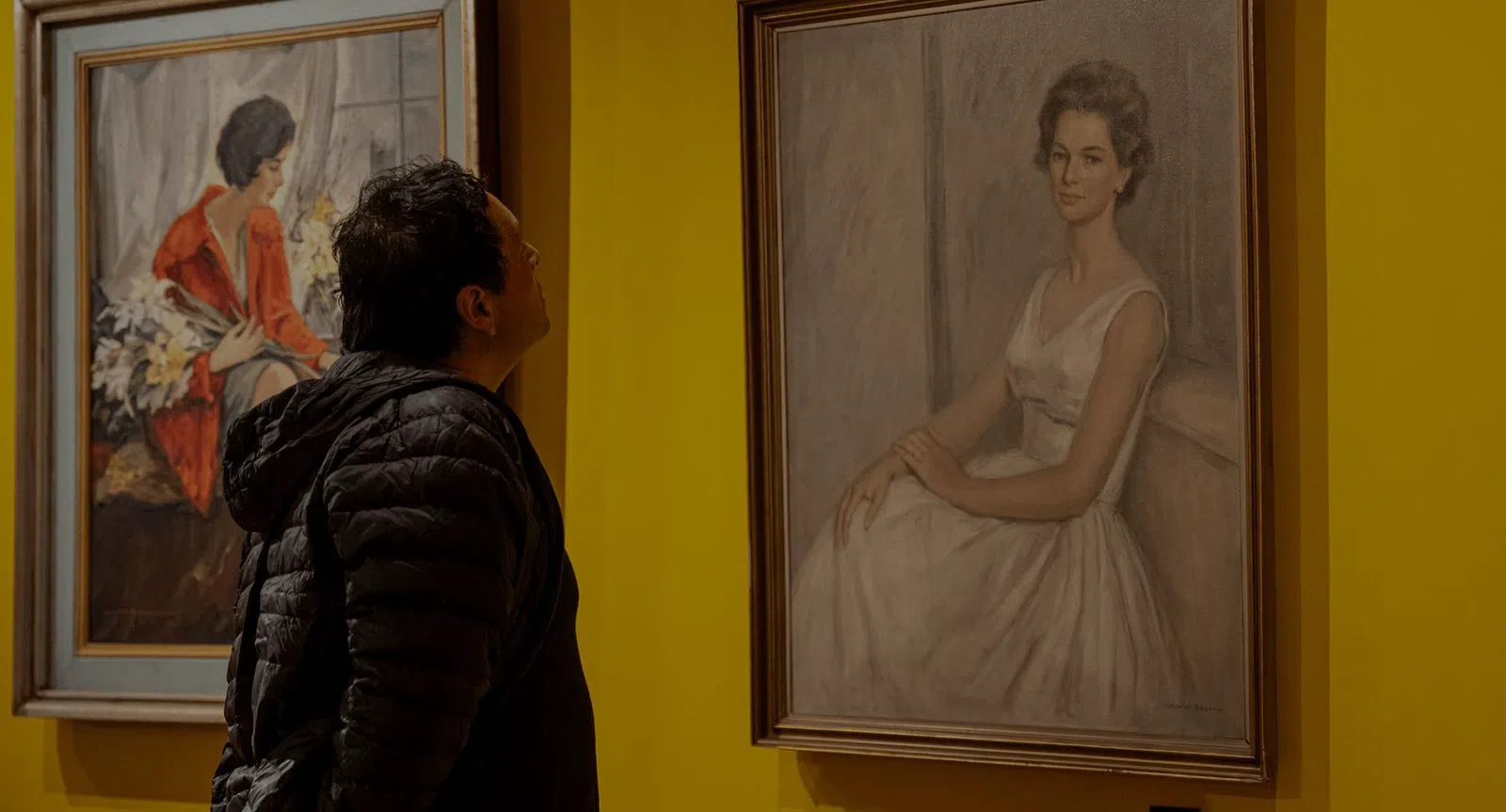
Palacio Baburizza (Cerro Alegre) holds the municipal fine arts collection in a shipping magnate's palace, adult entry around CLP 4,000 to 5,000, Tuesday to Sunday 10:00 to 18:00. Walk in. It is a small museum, so anything over about ten people is better arranged in advance, and what catches people out is the 14:00 to 14:45 lunch closure: turn up at ten past two and you are standing outside for half an hour. If you are eating on Cerro Concepción, eat first and come after 14:45.
Down at the water
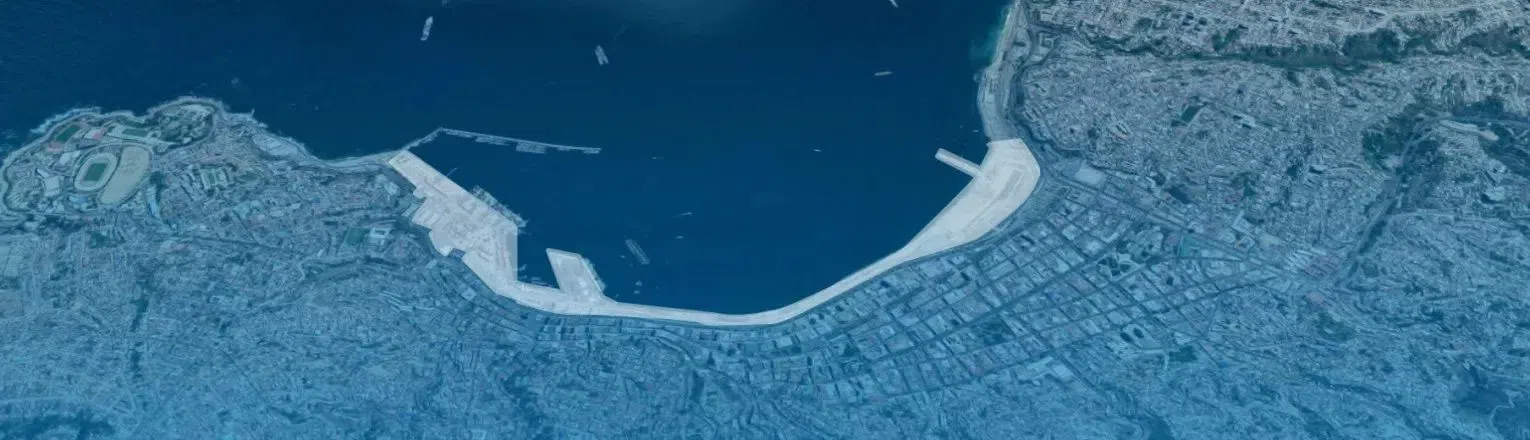
Muelle Prat (Plaza Sotomayor, downtown) is where the launches go out, a thirty-minute trip past the naval ships and the sea lions and the cheapest way to see the whole amphitheatre of hills from the water. Shared boats run about CLP 5,000 a head and seat dozens, so a group boards together without arranging anything; private hire is roughly CLP 40,000 and capped at about six people. The pier operates roughly 10:00 to 19:00 daily and boats leave when they fill, not on a timetable, so allow slack if you are heading straight for a bus afterwards.
Museo Marítimo Nacional (Cerro Artillería) is open every day 10:00 to 18:00, adult entry around CLP 2,000 to 3,000, and takes school and tour groups as routine. The best free bay panorama in the city is on the terrace immediately outside it, ticket or not. Getting there is the catch: Ascensor Artillería has been out of service for more than five years and its restoration was still only at tender stage in 2026, so plan on a taxi or a proper walk up rather than assuming the lift you read about somewhere is running.

Lunch, and the chorrillana problem
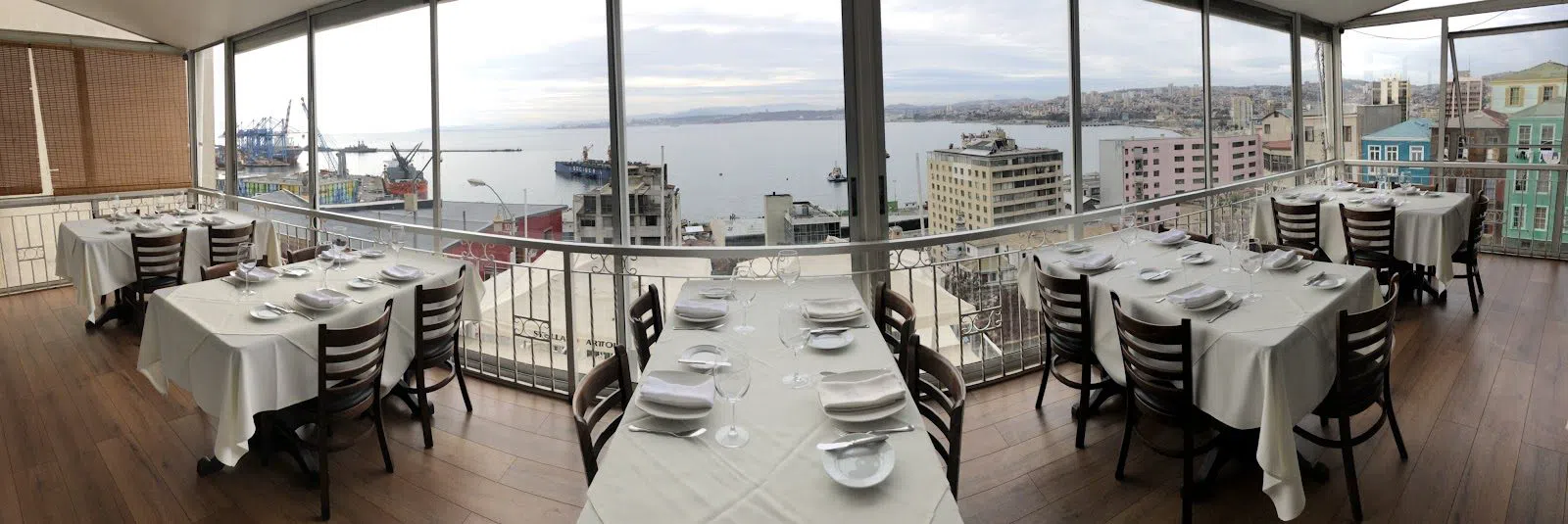
Café Turri (Cerro Concepción) is the classic terrace, seafood and the postcard view down over the port. Reservations are advised if you want the terrace rather than a table indoors, where it also takes larger parties, and mains run roughly CLP 15,000 to 25,000. It shuts in the late afternoon on weekdays, around 17:45, which makes it a lunch on a day trip and never a dinner.
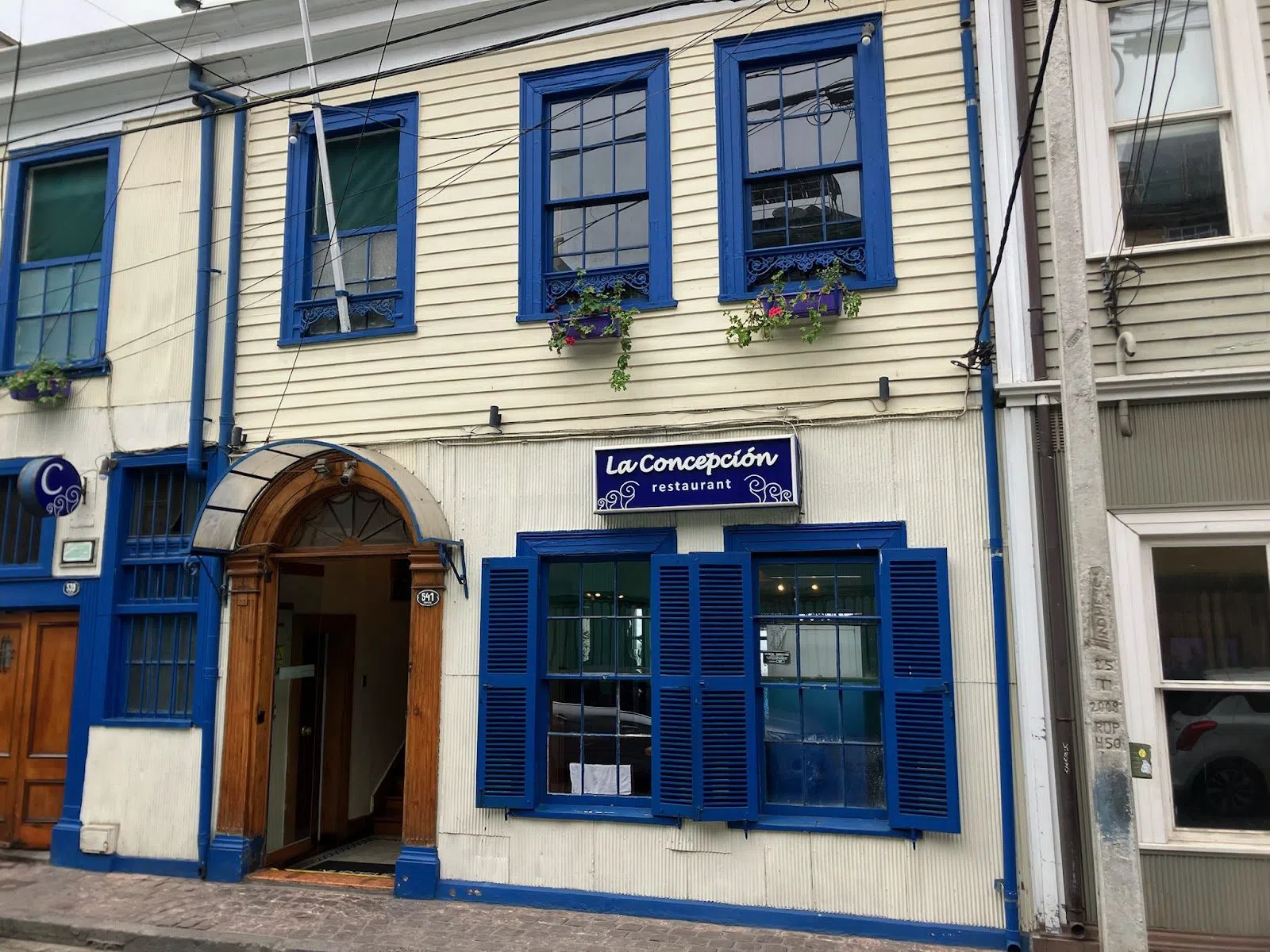
Restaurant La Concepción (Cerro Concepción) is the most polished sit-down cooking on the hill, strongest on fish and shellfish, mains roughly CLP 16,000 to 28,000, with a garden terrace that suits a bigger table. It takes reservations. It is closed Mondays and stops serving at 17:00 on Sundays, which matters if your bus back is a late one and you had planned to eat before boarding.
Casino Social J. Cruz M. (down an alley off Condell, downtown) is the opposite end of the scale: a scruffy picada that claims to have invented the chorrillana in the 1970s and still serves it with terremotos. No bookings, shared tables, tight seating. A party of more than six will either wait or split across the room, and there is no fixing that, so do not turn up as ten expecting a solution. Order one plate between two. The portions defeat most people and a chorrillana for two lands at around CLP 15,000 to 20,000.
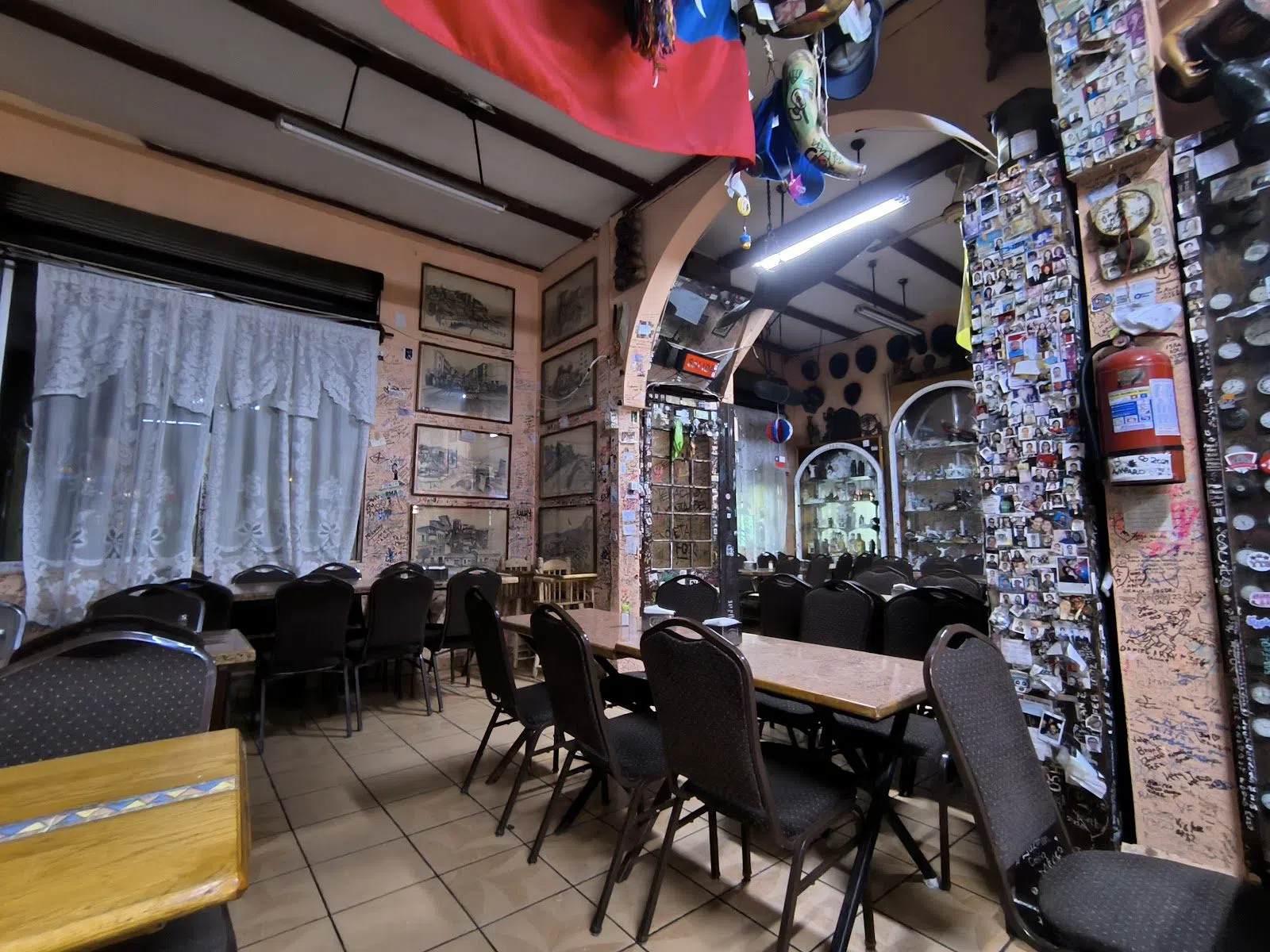
Casa Cervecera Altamira (Cerro Concepción, two minutes from Ascensor Reina Victoria) is the city's original brewpub, pints around CLP 4,000 to 6,000 and food CLP 8,000 to 15,000, with live jazz several nights a week. It runs brewery tours and takes closed group bookings, which makes it the only venue here that will formally host a party of ten or more. If you are organising anything larger than a dinner for six, start with this one and build the day around it.
A moai, twelve minutes up the line
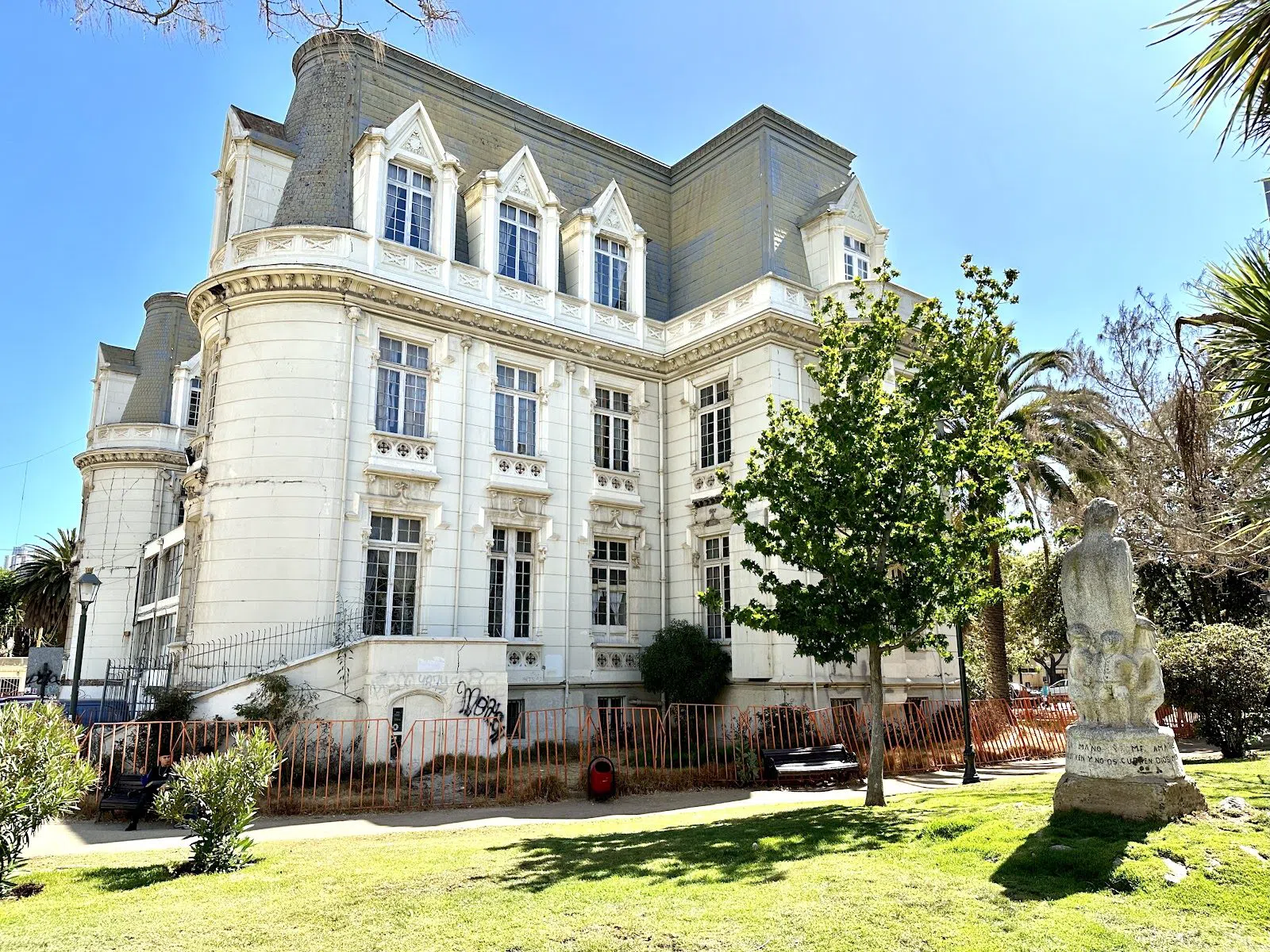
There is one reason to spend an hour up the coast rather than an afternoon, and it is Museo Fonck (Viña del Mar, twelve minutes from Valparaíso on the Merval train). It holds one of the very few genuine Easter Island moai standing on the mainland, and the moai itself is in the garden, so you can see it without buying a ticket, though at CLP 3,000 to 4,000 the collection inside is hardly a stretch. Walk in; groups are fine. Check the day, because hours are shorter on Sundays and holidays, 10:00 to 14:00, which is easy to miss if you have already spent the morning on the hills.
The day you pick changes the plan
Monday is the bad day. La Sebastiana is closed, Restaurant La Concepción is closed, and Palacio Baburizza runs Tuesday to Sunday, so a Monday trip loses all three museum-and-lunch anchors at once. If Monday is your only option, build the day around the free and the outdoor (the walking tour, the murals, the boat, the maritime museum, a chorrillana downtown) and accept it.
Sunday has its own shape. Museo Fonck shuts at 14:00, La Concepción stops serving at 17:00, and the return buses fill with weekenders. Tuesday to Saturday is the clean run: bus at 08:00, walking tour mid-morning, ascensor up, murals and La Sebastiana before the 17:00 last admission, Baburizza after its lunch closure, boat from Muelle Prat late afternoon, then eat before the bus.
Groups, couples and who gets turned away
Nothing here has a door policy in the nightclub sense, but the physical limits are real. Couples and pairs can improvise the entire day with no bookings at all. Four to six people still walk into almost everything, with the boat and the ascensor taken in shifts. Above ten, the picture changes: Tours4Tips wants notice, Baburizza prefers arrangement in advance, La Sebastiana's stairwells need you staggered, J. Cruz will not seat you together, and Bodegas RE requires a written arrangement. Casa Cervecera Altamira is the exception, the one place set up to take a booked group as a group.
The practical bit
Transport. Turbus from Terminal Pajaritos, CLP 5,000 to 9,000 each way, roughly 1h45, bought at the counter. In the city itself you walk, ride the ascensores for a few hundred pesos, and take a taxi up to the maritime museum. The Merval train covers the twelve minutes north if you want the moai.
Cash. Carry small notes and coins. The ascensores, the walking-tour tip, the shared launch at Muelle Prat and the picada tables all work more smoothly in cash than plastic, and you do not want to be the person holding up the lift queue.
Timing. The hard stop is 17:00, last admission at La Sebastiana. Everything else in the day should be arranged to protect that. Café Turri closing around 17:45 on weekdays and La Concepción's 17:00 Sunday finish are the other two clock-watching points.
Weather. The coast is reliably cooler and greyer than Santiago and the morning cloud often does not lift until midday. Take a layer even in high summer, and do not plan the boat trip as the first thing you do.
Budget. A straightforward day, per person, comes to roughly CLP 10,000 to 18,000 for the return bus, CLP 12,000 as a tour tip, under CLP 1,000 in ascensor fares, CLP 10,000 for La Sebastiana, CLP 5,000 for Baburizza, CLP 5,000 for the launch and CLP 15,000 to 25,000 for lunch. Call it CLP 60,000 to 75,000 all in, before drinks. Adding a paid street art tour or the Casablanca winery roughly doubles it.
Staying or returning. One full day covers the hills honestly; two lets you eat properly in the evening rather than watching the clock. If you are basing yourself in the capital and treating this as a day out, the Santiago hotel search is the place to sort the beds, and the rest of the trip is laid out in the Santiago guide.
Before you go
Do I need to book the bus from Santiago in advance?
No. Turbus sells seats individually at the counter at Terminal Pajaritos and Terminal Alameda, no minimum and no reservation needed off-peak, at around CLP 5,000 to 9,000 each way for a journey of roughly 1h45. Groups buy adjacent seats at the window. Buy your return at the counter when you arrive, though, so you are not queuing for a seat in the evening.
Is a day trip enough, or should I stay overnight?
One full day covers the hills, a museum or two, lunch and the harbour, provided you are on a bus by 08:00. It does not cover an evening: Café Turri shuts around 17:45 on weekdays and Restaurant La Concepción stops at 17:00 on Sundays, so dinner on the hill means staying. If you want the jazz nights at Casa Cervecera Altamira, plan on two days.
How safe is it walking around the hills?
The hills are not uniform, and the difference between a stairway lined with cafés and one you should not linger on does not show up on a map. Do the Tours4Tips walk in your first two hours and it fixes the geography before you wander. Watch the ascensor queues, Ascensor Reina Victoria included: they are a known spot for opportunist pickpocketing.
Can this be done on a Monday?
Partly. La Sebastiana and Restaurant La Concepción are both closed Mondays and Palacio Baburizza runs Tuesday to Sunday, so a Monday trip loses the three main indoor stops. Build a Monday around what is free and outdoors instead: the walking tour, the murals at Museo a Cielo Abierto, the launch from Muelle Prat and the Museo Marítimo Nacional, which opens daily.
What does the day cost per person?
Roughly CLP 60,000 to 75,000 before drinks: CLP 10,000 to 18,000 return on the bus, about CLP 12,000 as a walking-tour tip, a few hundred pesos in ascensor fares, CLP 10,000 for La Sebastiana, CLP 5,000 for Palacio Baburizza, CLP 5,000 for a shared boat and CLP 15,000 to 25,000 for lunch. A guided street art tour at USD 35 to 55, or a Casablanca winery visit at around CLP 30,000, roughly doubles it.